


人总是天生的自我中心主义者
这个图在两个不同的层面上讽刺了这一点:
其一,在中国人眼里,故宫天安门就是这个世界的中心,至于美国欧洲,都只是遥远而渺小的东西。这一点当然很有趣。
但是在另一个层次上,让这第一丛笑料显得更可笑的地方,其实是(美国欧洲的)读者心中那副与这个相对照的世界,更多的笑料就来自于这两者之间的对照
不说废话了,漫画的乐趣就在于含蓄嘛
...
[阅读全文]人总是天生的自我中心主义者
这个图在两个不同的层面上讽刺了这一点:
其一,在中国人眼里,故宫天安门就是这个世界的中心,至于美国欧洲,都只是遥远而渺小的东西。这一点当然很有趣。
但是在另一个层次上,让这第一丛笑料显得更可笑的地方,其实是(美国欧洲的)读者心中那副与这个相对照的世界,更多的笑料就来自于这两者之间的对照
不说废话了,漫画的乐趣就在于含蓄嘛
...
[阅读全文]From:
http://www.reuters.com/article/innovationNews/idUSTRE50I4DW20090119
...
[阅读全文]
0
comments
|
|
 |
Labels:
金融,
转载
From: http://www.bloomberg.com/apps/news?pid=20601087&sid=aaFjNjgdJA0k&refer=home#
Magnetar Said to Limit Fund Withdrawals After Losses (Update1)
By Saijel Kishan
Dec. 22 (Bloomberg) -- Magnetar Capital LLC, the $8 billion hedge-fund firm co-run by former Citadel Investment Group LLC trader Alec Litowitz, limited withdrawals from its biggest fund after it lost 30 percent this year through November, according to two people familiar with the fund.
The restrictions, known as gates, were triggered after clients sought to pull more than 15 percent of their money from the firm’s $4.8 billion multistrategy fund, said the people, who asked not to be identified because the information is private.
Hedge funds including D.E. Shaw & Co. LP and Farallon Capital Management LLC this month imposed gates so they wouldn’t be forced to raise cash by liquidating assets at distressed prices. Magnetar, based in Evanston, Illinois, told clients who asked for redemptions by Dec. 31 that they will get 10 percent of their requests in cash and 5 percent in shares of its two credit funds, the people said.
“I wouldn’t be surprised if a whole host of funds do this between now and the end of the year as they become aware of the exact liquidity requirements placed on them,” said Phil Irvine, co-founder of London-based PiRho Investment Consulting Ltd., which advises clients on hedge funds.
Litowitz declined to comment.
Magnetar clients can pull out cash every quarter with 90 days notice, meaning year-end requests were due by Sept. 30. The firm notified investors that the gates were imposed in a Dec. 18 letter.
‘Open Dialogue’
“I would’ve thought that it’s in the best interests of both investors and the fund for the manager to have given them earlier notice of this happening,” Irvine said. “Some investors may have taken the assumption that they were going to get their money back and now they won’t. Funds need to maintain an open dialogue.”
Magnetar was started in 2005 by Litowitz, the former global head of equities at Chicago-based Citadel, and Ross Laser, former president of Glenwood Capital Partners.
Multistrategy funds, which trade assets including stocks, bonds and commodities, lost 20.5 percent this year through November, data compiled by Hedge Fund Research Inc. show. Hedge funds globally have lost 18 percent this year, according to the Chicago-based firm.
Hedge funds are finishing their worst year on record amid slumping stock and commodity markets and a freeze on credit. Industry assets peaked at $1.9 trillion in June, according to Hedge Fund Research. Investment losses and withdrawals may shrink that amount by 45 percent by the end of this month, according to estimates by analysts at Morgan Stanley.
Restrictions
As of October, 18 percent of the hedge-fund industry’s assets, or about $300 billion, were subject to withdrawal restrictions, according to GFIA Pte, a Singapore-based hedge-fund consulting firm.
Citadel this month suspended redemptions from its two biggest funds after investors sought to take out 12 percent of assets. The $13 billion hedge-fund firm is led by Kenneth Griffin.
Hedge funds are private, largely unregulated pools of capital whose managers can buy or sell any assets, bet on falling as well as rising asset prices and participate substantially in profits from money invested.
To contact the reporters on this story: Saijel Kishan in New York at skishan@bloomberg.net;
Last Updated: December 22, 2008 15:32 EST
...
[阅读全文]
0
comments
|
|
|
Labels:
金融,
转载
+------------------------------------------------------------------------------+
Mizuho $7 Billion Loss Turned on Toxic Aardvark Made in America
2008-10-28 22:01:00.0 GMT
(Wall Street's Toxic Exports: Part 3 of 4.)
By Finbarr Flynn
Oct. 29 (Bloomberg) -- Alexander Rekeda, a 34-year-old Ukrainian-born math whiz, turned in his BlackBerry and security card and sent an e-mail to his bosses at Calyon, the investment- banking unit of Credit Agricole SA. Then, along with ten colleagues from the New York structured-finance team, who fired off similar messages, he walked two blocks down the Avenue of the Americas to Mizuho Financial Group Inc.
It was Dec. 8, 2006, and Rekeda's arrival was a coup for Mizuho, Japan's second-largest bank by revenue. A month earlier, it became the first Japanese lender to list on the New York Stock Exchange since 1989 -- a move hailed by John Thain, then chief executive officer of the bourse, as a sign that Mizuho was taking ``its place among the world's leading companies.''
The hires would prove a costly blunder. Rekeda, who became head of structured credit in the Americas, and his team led Mizuho into a business it knew little about, securities backed by U.S. subprime mortgages, where it lost 672 billion yen ($7.1 billion), more than any bank in Asia. Most of the losses were related to defaults on collateralized debt obligations.
Mizuho expects as much as 20 billion yen in potential further losses on bonds and bad loans related to bankrupt Lehman Brothers Holdings Inc., company spokeswoman Masako Shiono said on Sept. 16. Moody's Investors Service, citing ``questions regarding the effectiveness of Mizuho's risk management and its risk appetite,'' continues to give the bank a negative outlook.
``Mizuho never made a penny out of subprime in the good times, they just got left holding the can in the bad,'' says David Threadgold, an analyst at Fox-Pitt Kelton Asia Ltd. in Tokyo who has an ``underperform'' rating on the stock. ``They made a very poor decision to launch into the packaging of subprime products at the end of 2006.''
Toxic Assets
How a Japanese bank that traces its roots to 1864 made such a bold entry into the U.S. subprime securities market, and almost choked on the toxic assets it created, is a tale of overreaching and poor timing. It also illustrates how financial technology made in the U.S. wreaked havoc on the other side of the globe.
Many of the details are spelled out in a lawsuit Calyon filed against Mizuho in U.S. federal court seeking $750 million for ``covertly'' inducing its employees to quit. The case was settled out of court in September 2007 for an undisclosed amount.
Shiono said Mizuho wouldn't comment for this article.
Rekeda, who has a master's degree in mathematics from Kiev State University of Economics in Ukraine and an MBA from the University of Connecticut, had built Calyon's CDO business over two years. He closed six deals for the French bank in 2006, according to an affidavit in the case.
Signing-On Fee
All six, including two with the celestial names Cetus and Orion, later defaulted as Paris-based Credit Agricole racked up more than 6.5 billion euros ($8.1 billion) in subprime losses.
Rekeda, now 34, declined to be interviewed.
On Oct. 18, 2006, Rekeda and his team were offered an $11 million signing-on fee to defect to the Japanese bank, a Calyon lawyer said at a court hearing. Mizuho's plan to expand into the U.S. was hatched earlier that year, as Japanese lenders were recovering from a 14-year debt crisis that forced them to take
$1.1 trillion in writedowns for bad loans.
Mizuho, formed in 2000 in a merger of three banks, beat out rivals Mitsubishi UFJ Financial Group Inc. and Sumitomo Mitsui Financial Group Inc. to win approval from U.S. regulators to set up a financial holding company. That enabled it to operate as a full-service investment bank.
As Mizuho President Terunobu Maeda said at a press briefing on May 15 this year, the bank had excess capital and ``needed to study'' the U.S. mortgage-backed securities business.
Bad Loans
Maeda, 63, a former chairman of the Japanese Bankers Association and an amateur gardener who doesn't use air conditioners at his home during Tokyo's humid summers to make an environmental point, became president of Mizuho in April 2002.
The bank recorded a loss of 2.38 trillion yen that fiscal year as it wrote off bad loans accrued during three recessions in a decade. Maeda returned it to profitability the next year after reducing non-performing assets and through gains on investments in Japanese stocks.
While Mizuho was a newcomer to the CDO market in the U.S., it had experience arranging and selling similar investments in Japan and Europe. The company had ramped up its loan- securitization business, which Japanese banks were able to do without borrowers' consent after October 1998. Merrill Lynch & Co., Bear Stearns Cos. and Goldman Sachs Group Inc. all helped Japanese banks repackage and market securities backed by corporate loans and mortgages.
Rising Delinquencies
Even so, Mizuho decided it needed help in the U.S. Talks with the Calyon team began in early 2006, when Douglas Munson, a sales director for the French bank, approached golfing buddy Theodore Ake, head of fixed income for Mizuho in New York, according to two people familiar with the negotiations. The size of the group and the amount of sign-on bonuses snowballed after Rekeda was brought into the discussion, the people said. Munson and Ake declined to comment.
By the time the deal was consummated, the market was turning. On Dec. 11, 2006, the same day Mizuho announced it was setting up an office in the U.S. to create asset-backed debt securities, Fitch Ratings said the outlook for U.S. subprime mortgage bonds was ``negative.'' It expected delinquencies on those loans to rise by 50 percent.
There was also confusion about the hiring deal. The Calyon team turned out to include more than the five people expected by Hitoshi Shimoyama, then deputy president of investment banking unit Mizuho Securities USA Inc., documents in the case allege.
``Mizuho did not even know the number or names of additional persons until shortly before they came,'' Shimoyama said in a March 17, 2007, affidavit.
Bonus Pool
Benjamin Lee, one of those who defected on Dec. 8, returned to the French bank five days later. He said he ``had been misled by Rekeda'' about the terms of employment at Mizuho, according to an affidavit he filed.
Lee said he was initially told by Rekeda that he could expect $1 million to $1.5 million from a bonus pool. He later learned there was a separate contract for him and other junior members of the group that didn't include a revenue-related bonus.
Senior team members were entitled to share as much as 25 percent of revenue from completed transactions, court documents said.
Rekeda's group priced its first deal within 10 weeks, after the Mortgage Bankers Association reported that the default rate on U.S. subprime loans reached 12.6 percent, the highest level since the first quarter of 2003.
Aardvark CDO
The deal was named after a squat animal with a pig-like snout that feeds on ants and termites. Incorporated as a special- purpose company in the Cayman Islands, Aardvark ABS CDO was an ugly concoction: 31 percent of its $1.5 billion of securities were backed by subprime loans, 23 percent by residential mortgages repackaged from other CDO deals, and 33 percent by Alt- A mortgages, a category just above subprime. The remaining 13 percent were prime loans.
One reason Rekeda was able to move so fast was that the deal had already been assembled by London-based Lloyds TSB Group Plc, which pulled out before completion, said three people familiar with the transaction. HarbourView Asset Management Corp., a unit of New York-based OppenheimerFunds Inc., stayed on as manager.
Spokesmen for Lloyds and HarbourView declined to comment.
Moody's assigned its highest short-term rating of P-1 to
$1.3 billion of the Aardvark securities. In the prospectus, Mizuho pledged to back 87 percent of the deal, meaning that the bank, rather than investors, was on the hook for most of the potential losses.
In the Pipeline
A subsequent Mizuho offering, Tigris CDO 2007-1, valued at
$902 million in March 2007, was backed by the lowest investment- grade tranches of CDO deals arranged by other Wall Street firms, including Merrill, Lehman and Citigroup Inc., according to a report that month by Fitch Ratings. More than 80 percent of the securities in the CDO had Fitch's lowest investment rating, BBB-, which is nine grades below AAA.
Rekeda planned to bring at least nine more CDO deals to market within six months, the investment newsletter Asset-Backed Alert reported on May 11, 2007. The newsletter quoted him saying the bank had ``built up the pipeline.'' As of April 1, 2007, Mizuho Securities had amassed more than 550 billion yen in residential mortgage-backed securities and CDOs supported by home loans, according to the bank's financial statements.
One of those deals made it to market in June 2007: a special-purpose entity called Delphinus 2007-1. Although named after a constellation, its contents were hardly stellar. Three- quarters of its securities were based on subprime mortgages, according to a July 23 Fitch report.
Ratings Downgrade
About 80 percent of the deal was backed by credit-default swaps arranged by firms including JPMorgan Chase & Co., Citigroup and Wells Fargo & Co. Citing ``strong demand'' from investors, Mizuho increased the size of the deal that July to $1.6 billion from $1.2 billion.
That was eight days before two Bear Stearns funds were shut down, heralding the start of the subprime crisis. Less than three months later, on Sept. 27, Fitch put Delphinus on its watch list.
The negative designation, Fitch analyst Kevin Kendra said at the time, was ``probably the quickest I've seen'' on a CDO. In other words, Mizuho struggled to find buyers for its CDOs and, as their values plummeted, the bank would have to absorb the loss.
Mizuho didn't tell investors about the extent of its exposure until November 2007, when it reported a 70 billion-yen loss on subprime-related securities in the first half ended Sept.
30. It also said it expected that figure to grow to 170 billion yen for the full year.
CDO Default
By December, Mizuho had halted its U.S. CDO business. It fired Rekeda and at least four others on the team, putting an end to the bank's one-year experiment with American financial technology.
In January, as delinquencies on loans that backed Mizuho's CDOs increased, Aardvark, Tigris and Delphinus went into default.
Subsequent downgrades of all of the tranches of Tigris and Aardvark required the bank to write down the value of the CDOs.
Mizuho had to inject 150 billion yen of capital into its securities unit, shelve a planned merger with Shinko Securities Co. and axe 300 jobs. The bank's shares lost half their value in the fiscal year ended March 31.
When a record 2,474 shareholders gathered at the Tokyo International Forum on June 26 for the bank's annual meeting, they were out for blood.
``The responsibility rests at the top with Maeda,'' Kenjiro Endo, 66, who bought Mizuho shares when he retired from chipmaker Toshiba Corp. six years ago, said after the meeting. ``If this were overseas, he'd resign.''
`Market Crashed'
Endo may have had a point. Citigroup CEO Charles O.
``Chuck'' Prince, Merrill's Stan O'Neal and Wachovia Corp.'s Kennedy Thompson were all forced to resign after significant subprime losses. In Japan, where executives often bow and apologize for their mistakes, Mizuho's Maeda stood firm.
``Unfortunately, from October, the securitized investment- product market crashed, and even if we tried to sell the investments, it wasn't possible,'' Maeda said at the shareholders' meeting. ``When the market stops functioning, there is no measure to avoid it.''
Maeda also defended the bank's decision to enter the U.S.
securities market.
``It's not because of some management failure that things turned out like this,'' he said. ``I am very sorry to tell you, doing nothing, and not taking risk, is not a bank.''
Failure to Hedge
Yet Mizuho might have incurred half as many losses if it had accelerated the sale of subprime-related investments and hedged more bets with credit-default swaps, according to a person familiar with its U.S. operations. The bank, fearing it would lose as much as two-thirds of its potential profit, decided not to hedge, the person said. Mizuho declined to comment.
``The holding company was unable to grasp the size of losses at Mizuho Securities when the subprime problem emerged,'' said Keisuke Moriyama, a Tokyo-based analyst at Nomura Holdings Inc.
``Mizuho has a governance problem. How it fixes it is the biggest issue that faces the group.''
The ultimate cost to Mizuho may be greater than the 672 billion yen it wrote down. The bank, the first in Japan to put money in U.S. financials amid the credit crunch, invested $1.2 billion in Merrill in January. The Wall Street bank's shares have slumped 70 percent this year.
`Missed Out'
Now Mizuho is sidelined as other Japanese banks swoop in to buy troubled U.S. assets. Nomura purchased some of Lehman's Asian and European businesses in September, and Mitsubishi UFJ, the nation's largest bank, acquired 21 percent of Morgan Stanley for
$9 billion.
``Mizuho has totally missed out,'' said Amir Anvarzadeh, director of Japanese equity sales at KBC Financial Products in London. ``They've been very aggressive overseas, trying to grow this business organically, and some of those ambitions have come back to haunt them.''
Although it was the biggest loser, Mizuho wasn't the only Japanese bank that got hurt. In all, 672 domestic banks and credit cooperatives had 1.5 trillion yen in losses from overseas securitized products, the country's financial regulator reported Sept. 4.
Rekeda, meanwhile, has moved on. He now works for Guggenheim Capital Markets LLC in New York, along with Paolo Torti and Xavier Capdepon, who both followed him from Calyon to Mizuho.
Their new jobs: selling distressed CDOs at a discount.
(TOMORROW: The road to deregulation.)
--With reporting by Christine Harper and Mark Pittman in New York. Editors: Neil Western, Robert Friedman.
To contact the reporter on this story:
Finbarr Flynn in Tokyo at +81-3-3201-2541 or fflynn3@bloomberg.net
To contact the editor responsible for this story:
Philip Lagerkranser at +852-2977-6626 or lagerkranser@bloomberg.net
...
[阅读全文]
0
comments
|
|
|
Labels:
金融
Some 12 Isareli men are being held captive by hundreds of Chinese workers in Caribbean Turk Caicos islands. The Israeli women though. managed to escape via a boat as the Chinese workers advanced on the Israeli compound to demand their due pay and recoup expenses and fees they incurred. Apparently, the Chinese workers have not been paid their wages for some time.
The Israelis are employees of an international construction firm based in Israel, Ashtrom Engineering and Construction, a subdivision of Ashtrom Group ltd., which employed the 300 laborers for a large tourism project. The venture, however, was put on hold due to the global financial crisis.
The 12 Israelis have been held captive for 3 days on West Caicos, an isolated island accessible only via a 40-minute boat ride from the central island in the archipelago. The island does not have a police force and the Israelis did not provide security personnel, making it easy for the Chinese workers, who have taken control of the single marina, to hold the Israelis against their will.
The Chinese laborers are refusing to release the captives until they receive the money promised to them by the manpower company that was contracted to hire them for the project. A representative from Ashtrom told Ynet that the company had decided in principle to pay the laborers the full amount demanded. The company will also give the hostage-takers the money meant to have been paid by the Chinese manpower firm.
"The company has decided to pay the Chinese laborers everything, even the money we don't owe them but that the Chinese manpower firm charged them in return for sending them here – just to bring this situation to an end," said an Ashtrom representative, adding that the process was complex and was taking some time.
"The Chinese came to us with demands – but we're not the ones who took their money, it was the Chinese manpower company, and they're not willing to give it back. We're not the ones who owe the laborers – the Chinese contractors are. They have con men in China who take money from innocent laborers as commission for getting them into this project, and then they just disappear. We've paid all the wages we owe the workers, without exception. It's the Chinese company that's evading its responsibilities."
But if the Chinese company is a sub contractor to the Israeli firm they may be vicariously liable underrespondeat superior theory, i.e., they could be legally responsible even if only partially, because they are the parent agent of the contract inasmuch that they are a beneficiary of its formation and fulfillment.
These types of abuses of workers in similar international circumstances is a scourge to poor people trying to make a living around the world. Such cases of abusing worker have been taking place for centuries, e.g., the building of the panama canal and most recently the construction of the green zone and the super Embassy in Iraq. Thse Chinese workers are brave and I applaud them for agitating for their rights. They were fortunate though, that the IDF was not available to help these Israelis usurp their rights -- unlike the Palestinians within and without Israel.
Company Info
Ashtrom Group Ltd. is the leading building corporation in Israel. The group operates in an extensive array of building developments and auxiliary activities in Israel and abroad. Through its subsidiary companies, the group is active in various construction sectors including building national infrastructure projects such as bridges, junctions, highways, seaports, railways and more. In addition, the group is involved in constructing housing and rental projects and diverse plants in the construction industry, supplying human resource services and providing a broad range of operations throughout the world.
The group offers a comprehensive system of services, which is firmly based on uncompromising quality, efficiency and professionalism. These services are provided through paying strict attention to the highest international standards and providing the proper solutions to the clients, according to the special requirements of their various projects.
Ashtrom Group Ltd. continues to expand its operations locally and internationally, while offering the most advanced creative and high quality solutions in order to assure continuous customer satisfaction.
The leading Executives of Ashtrom Ltd. are Lipa Meshorer, Joint Managing Director; Rami Nussbaumm, Joint Managing Director; and Gil Gueron, Joint Managing Director. The Corporation has an annual earning of nearly 1 billion dollars.
Their customers might be satisfied, but the workers they abuse and incite to riot certainly are not.
更搞笑的事情在这里:
听说LEH破产以后,某公司以外的发现,一笔存在Leh的,应该是cash的钱,被挪用去放债了,而正式不幸的借给了这个Ashtrom公司了,哈哈。六度分隔,六度分隔~~~~
...
[阅读全文]
0
comments
|
|
|
Labels:
金融,
社会,
转载,
Joke
下面是他在财政部总部的发言,转自
http://dyn.politico.com/printstory.cfm?uuid=7AFA5CE4-18FE-70B2-A8D9A389E811D1D3
Last night, Federal Reserve Chairman Ben Bernanke, SEC Chairman Chris Cox and I had a lengthy and productive working session with Congressional leaders. We began a substantive discussion on the need for a comprehensive approach to relieving the stresses on our financial institutions and markets.
We have acted on a case-by-case basis in recent weeks, addressing problems at Fannie Mae and Freddie Mac, working with market participants to prepare for the failure of Lehman Brothers, and lending to AIG so it can sell some of its assets in an orderly manner. And this morning we've taken a number of powerful tactical steps to increase confidence in the system, including the establishment of a temporary guaranty program for the U.S. money market mutual fund industry.
Despite these steps, more is needed. We must now take further, decisive action to fundamentally and comprehensively address the root cause of our financial system's stresses.
The underlying weakness in our financial system today is the illiquid mortgage assets that have lost value as the housing correction has proceeded. These illiquid assets are choking off the flow of credit that is so vitally important to our economy. When the financial system works as it should, money and capital flow to and from households and businesses to pay for home loans, school loans and investments that create jobs. As illiquid mortgage assets block the system, the clogging of our financial markets has the potential to have significant effects on our financial system and our economy.
As we all know, lax lending practices earlier this decade led to irresponsible lending and irresponsible borrowing. This simply put too many families into mortgages they could not afford. We are seeing the impact on homeowners and neighborhoods, with 5 million homeowners now delinquent or in foreclosure. What began as a sub-prime lending problem has spread to other, less-risky mortgages, and contributed to excess home inventories that have pushed down home prices for responsible homeowners.
A similar scenario is playing out among the lenders who made those mortgages, the securitizers who bought, repackaged and resold them, and the investors who bought them. These troubled loans are now parked, or frozen, on the balance sheets of banks and other financial institutions, preventing them from financing productive loans. The inability to determine their worth has fostered uncertainty about mortgage assets, and even about the financial condition of the institutions that own them. The normal buying and selling of nearly all types of mortgage assets has become challenged.
These illiquid assets are clogging up our financial system, and undermining the strength of our otherwise sound financial institutions. As a result, Americans' personal savings are threatened, and the ability of consumers and businesses to borrow and finance spending, investment, and job creation has been disrupted.
To restore confidence in our markets and our financial institutions, so they can fuel continued growth and prosperity, we must address the underlying problem.
The federal government must implement a program to remove these illiquid assets that are weighing down our financial institutions and threatening our economy. This troubled asset relief program must be properly designed and sufficiently large to have maximum impact, while including features that protect the taxpayer to the maximum extent possible. The ultimate taxpayer protection will be the stability this troubled asset relief program provides to our financial system, even as it will involve a significant investment of taxpayer dollars. I am convinced that this bold approach will cost American families far less than the alternative — a continuing series of financial institution failures and frozen credit markets unable to fund economic expansion.
I believe many Members of Congress share my conviction. I will spend the weekend working with members of Congress of both parties to examine approaches to alleviate the pressure of these bad loans on our system, so credit can flow once again to American consumers and companies. Our economic health requires that we work together for prompt, bipartisan action.
As we work with the Congress to pass this legislation over the next week, other immediate actions will provide relief.
First, to provide critical additional funding to our mortgage markets, the GSEs Fannie Mae and Freddie Mac will increase their purchases of mortgage-backed securities (MBS). These two enterprises must carry out their mission to support the mortgage market.
Second, to increase the availability of capital for new home loans, Treasury will expand the MBS purchase program we announced earlier this month. This will complement the capital provided by the GSEs and will help facilitate mortgage availability and affordability.
These two steps will provide some initial support to mortgage assets, but they are not enough. Many of the illiquid assets clogging our system today do not meet the regulatory requirements to be eligible for purchase by the GSEs or by the Treasury program.
I look forward to working with Congress to pass necessary legislation to remove these troubled assets from our financial system. When we get through this difficult period, which we will, our next task must be to improve the financial regulatory structure so that these past excesses do not recur. This crisis demonstrates in vivid terms that our financial regulatory structure is sub-optimal, duplicative and outdated. I have put forward my ideas for a modernized financial oversight structure that matches our modern economy, and more closely links the regulatory structure to the reasons why we regulate. That is a critical debate for another day.
Right now, our focus is restoring the strength of our financial system so it can again finance economic growth. The financial security of all Americans — their retirement savings, their home values, their ability to borrow for college, and the opportunities for more and higher-paying jobs — depends on our ability to restore our financial institutions to a sound footing.
...
[阅读全文]
0
comments
|
|
|
Labels:
金融,
社会,
转载
审计报告里面这一对词的非常有意思
没有发现任何material misstatements的审计报告,是Unqualified的。一定要发现一些问题,才是一个Qualified的审计。
这就好像是把审计放到和公司对立的位置上:一定要能找出问题的审计,才是合格的审计。
这让我想起在西安的时候听到的关于以前那里修土城墙的故事:
工人修好一段土墙以后,会有一个验收员过来,用一根铁杆往土墙里用力插,如果杆头能没入土墙,就被认为是不合格的工程而处死工匠;但是如果杆头没能插入土墙,就处死验收员...
是不是很像现在的会计和审计的关系,呵呵:)
参考文献:
http://quamut.com/quamut/reading_financial_reports/page/how_to_read_the_narrative_summary_of_an_annual_report.html
http://en.wikipedia.org/wiki/Auditor%27s_report
...
[阅读全文]
0
comments
|
|
|
Labels:
金融,
社会
一个王国的末日
Photoed by 猫猫饭
 |
 |
...
[阅读全文]
0
comments
|
|
|
Labels:
金融,
贴图,
转载

AIG的消息刚刚出来
一开市MS和GS又开始玩大跳水...
分别是接近40%和20%...这种搞法,不知道会变成什么样子
呵呵,暗爽ing
以下转载自:http://www.bloomberg.com/apps/news?pid=20601087&sid=aPyk2yvOjZuw&refer=home
Morgan Stanley, Goldman Plummet After AIG Takeover (Update1)
By Christine Harper
Sept. 17 (Bloomberg) -- Morgan Stanley and Goldman Sachs Group Inc., the biggest U.S. securities firms, tumbled the most ever in New York trading after a government rescue of American International Group Inc. failed to ease the credit crisis. The cost to protect against a default by the banks rose to a record.
Goldman fell as much as 26 percent on the New York Stock Exchange and Morgan Stanley plunged 44 percent, leading financial stocks to the lowest level in five years.
``They're fish in the barrel, the short sellers have them targeted,'' said William Smith, whose firm Smith Asset Management Inc. in New York manages $80 billion, including Goldman stock. ``Morgan Stanley's probably going to wind up doing a deal, it's really a matter of survival.''
Executives at Goldman Sachs and Morgan Stanley told analysts and investors yesterday that they see no need to combine with banks even after Merrill Lynch & Co.'s emergency sale to Bank of America Corp. over the weekend and Lehman Brothers Holdings Inc. bankruptcy filing. Goldman and Morgan Stanley said they have adequate capital and cash and don't have any pressing need to borrow new money. Spokesmen for both firms declined to comment.
Analysts including David Trone at Fox-Pitt Kelton Cochran Caronia Waller have said the demise of Lehman and Merrill may force Goldman and Morgan Stanley to pursue a sale or some sort of transaction with a bank, to gain a stable funding base of deposits and the confidence of the markets. The firms hold more than $20 of assets for every $1 in capital, making them dependent on lenders.
`Not Up to You'
``From what Goldman said on their conference call, they said they're going to go it alone,'' Smith said. ``But when you're leveraged it's not up to you, it's up to your trading counterparties.''
Morgan Stanley dropped $10.70 to $17.99, the lowest in almost 10 years, in composite trading on the New York Stock Exchange at 1:45 p.m. Goldman slumped $32.92 to $100.09, a three-year low.
Credit-default swaps protecting against a default Morgan Stanley bonds rose 220 basis points to 900 basis points, and earlier traded at 925, according to broker Phoenix Partners Group in New York. Contracts on Goldman climbed 110 basis points to 530 basis points, Phoenix data show. An increase in price for the contracts indicates a deterioration of the perception of credit quality.
Morgan Stanley Chief Executive Officer John Mack and Goldman's Lloyd Blankfein are trying to navigate declining investor confidence that prompted the emergency sales of Merrill Lynch and Bear Stearns Cos., and the bankruptcy of 158-year-old Lehman.
`Rumor and Fear'
The turmoil spurred the U.S. government late yesterday to lend as much as $85 billion to AIG to prevent the insurer's collapse.
Markets are reacting to ``rumor and fear,'' Colm Kelleher, Morgan Stanley's finance chief, said yesterday after the New York-based company reported better-than-estimated earnings for the third quarter.
Credit-default swaps on Morgan Stanley and Goldman rose for the third day. Contracts on Charlotte, North Carolina-based Wachovia Corp. approached a record reached yesterday. Contracts on AIG plunged.
Glenn Schorr, an analyst at UBS AG, said today in a note to investors that the market reaction was ``insanity.'' Goldman and Morgan Stanley aren't at risk of running out of money because they keep plenty of cash on hand and can borrow from the Federal Reserve and a consortium of banks set up over the weekend, he said, noting that both have enough capital to absorb any losses.
Locked Up
``If you have the liquidity and capital to withstand the storm, why should CDS spreads be having such a big impact on stocks?'' he wrote. He said investors must be reacting to concern that counterparties or clients will abandon the firms or that the credit-rating companies will cut their ratings.
``At the heart of these issues is available funding, all in funding costs and the inherent mismatch of short-term funding and longer duration, levered balance sheets,'' Schorr said.
Credit markets have been locked up since New York-based Lehman, which was the fourth-largest U.S. securities firm, filed for bankruptcy protection on Sept. 15, raising concern that other financial companies may fail. Investors have been unwilling to take on new debt risk and overnight lending rates have soared.
Morgan Stanley's plunge may add impetus to calls from Democrats in Congress for a broader effort by policy makers to address the financial crisis, including setting up a government agency to take on devalued assets.
``The private market screwed itself up and they need the government come and help them unscrew it,'' House Financial Services Committee Chairman Barney Frank, a Massachusetts Democrat, told reporters late yesterday after top lawmakers met with Treasury Secretary Henry Paulson and Federal Reserve Chairman Ben S. Bernanke.
Frank this week proposed considering an agency to ``deal with all the bad paper out there'' and get financial markets ``out of the box'' they are in.
To contact the reporter on this story: Christine Harper in New York at charper@bloomberg.net.
Last Updated: September 17, 2008 13:56 EDT
...
[阅读全文]
0
comments
|
|
|
Labels:
金融,
社会,
转载
热闹,热闹
转自http://www.bloomberg.com/apps/news?pid=20601087&sid=aw.hphkcbZ_o&refer=home
By Hugh Son, Erik Holm and Craig Torres
Enlarge Image/Details
Sept. 17 (Bloomberg) -- American International Group Inc. averted the worst financial collapse in history by accepting an $85 billion federal loan and giving the government a majority stake.
The U.S. reversed its opposition to a bailout of AIG, the nation's biggest insurer by assets, after private efforts failed and the Federal Reserve concluded that ``a disorderly failure of AIG could add to already significant levels of financial market fragility,'' according to a Fed statement late yesterday.
``It's an enormous relief,'' said David Havens, credit analyst for UBS AG in Stamford, Connecticut. ``Nobody really knows what it would have meant if they would have been allowed to fail, but there was an enormous amount of systemic risk. The problem was, nobody really knew how bad it could have been.''
AIG gives up a 79.9 percent stake to the government and senior managers including Chief Executive Officer Robert Willumstad, 63, will give up their jobs. Retired Allstate Corp. CEO Edward Liddy, 62, will be AIG's new leader, according to a person familiar with the plans, who declined to be identified because the change hadn't been formally announced. Allstate is the biggest publicly traded home and auto insurer in the U.S.
The two-year revolving loan gives AIG time to sell assets ``on an orderly basis,'' the New York-based insurer said late yesterday in a statement. The U.S. has the right to discontinue payment of dividends to AIG's common and preferred stockholders, who are already reeling from a 94 percent drop in common shares this year.
Global Disruptions
The agreement, supported by the Treasury Department, may avoid wider chaos in world markets that threatened to engulf more financial companies. Industry losses could have totaled $180 billion if AIG collapsed, according to RBC Capital Markets.
``This should help to calm the markets in the short-term and hopefully provides AIG some time to get their house in order,'' said Michael Cuggino, president and CEO of San Francisco-based Pacific Heights Asset Management LLC, which manages about $3.8 billion.
AIG posted three quarterly losses totaling $18.5 billion. The insurer was pushed to the brink of failure because of a business that sold credit-default swaps, the protection for debt investors that plunged in value as the securities they guaranteed declined. The company covered $441 billion of fixed- income investments for banks and other parties, including $57.8 billion in securities tied to subprime mortgages.
The insurer's survival became uncertain after credit-rating downgrades on Sept. 15 threatened to force AIG to post more than $13 billion in collateral when the company was already short on cash. AIG couldn't raise money by selling shares after the stock plunged to less than $4 a share, compared with $70.11 in October, 2007.
Loan Terms
The Fed's loan doesn't require asset sales or the company's liquidation, though these are the most likely ways AIG will repay the Fed, central bank staff officials told reporters on condition of anonymity. Interest will accrue at the three-month London interbank offered rate plus 8.5 percentage points.
The Fed doesn't have an expectation of whether AIG will be smaller, nonexistent or similar to its current form at the end of the loan's term, the staffers said.
The Fed or Treasury will end up actually holding the AIG stake, the staffers said. The Fed bailed out AIG while refusing aid to Lehman Brothers Holdings Inc., which collapsed earlier this week, because financial markets were more prepared for a Lehman failure, a Fed staff official said.
``It's extraordinary, I am floored,'' said former Treasury counsel Peter Wallison in an interview. ``No one could have possibly imagined this a few months ago. I can't imagine why the Fed would do this unless they were sure AIG's failure posed systemic risk. It does speak to the fears in the market.''
Greenberg's Redux
The rescue comes less than two weeks after the U.S. took over Fannie Mae and Freddie Mac as rising mortgage defaults threatened the companies. The Fed stepped in after JPMorgan Chase & Co. and Goldman Sachs Group Inc., which were brought in to help assess AIG, failed to come up with a solution, according to a person familiar with the talks.
Liddy is currently on the board of Goldman, the company Henry Paulson ran as CEO before becoming the U.S. treasury secretary in 2006.
Willumstad, the former Citigroup Inc. president who left the bank in 2005 to seek a CEO position, was named to AIG's top post in June. His predecessor, Martin Sullivan, was chief for three years until being ousted after two record quarterly net losses. Maurice ``Hank'' Greenberg reigned at AIG for almost four decades until he was forced to retire in 2005 amid regulatory probes.
Unit Sales
Greenberg, who remains one of the company's biggest stakeholders, said the company needed a bridge loan instead of a plan that put the company under government control. An investor group led by Greenberg said in a federal filing hours before the rescue was announced they might want to buy the company or some units or make loans to AIG.
``Why would you want to wipe out shareholders when you just need a bridge loan?'' Greenberg, 83, said in an interview before the announcement. ``It doesn't make any sense.'' Greenberg declined to comment after the Fed announcement, spokesman Glen Rochkind said.
AIG may sell its stake in reinsurer Transatlantic Holdings Inc., its consumer finance division American General Finance, its U.S. auto insurance business, and its asset manager, analysts have said.
Aircraft Leasing
AIG's aircraft-leasing unit International Lease Finance Corp. may be bought by investors led by the unit's founder, Steven Udvar-Hazy, the Wall Street Journal reported, citing unnamed people. Udvar-Hazy has been in discussions with potential investors since Sept. 14, the Journal said.
The insurer rejected a bid for a joint investment by Allianz SE and J.C. Flowers & Co. on Sept. 14, said two people with knowledge of the offer.
Allianz, Europe's biggest insurer, and Flowers, the New York-based private equity firm run by J. Christopher Flowers, proposed the cash infusion to help AIG fend off a liquidity crunch, the people said.
Sabia Schwarzer, an Allianz spokeswoman, declined to comment. Flowers and Nicholas Ashooh, an AIG spokesman, didn't return calls seeking comment.
...
[阅读全文]
0
comments
|
|
|
Labels:
金融,
社会,
转载
就是找了十几个人出来聊天,貌似还挺好玩的
跟Pielove正好撞在同一天版聚
不过,我倒是觉得本版版聚的人才质量能比Pielove强不少:)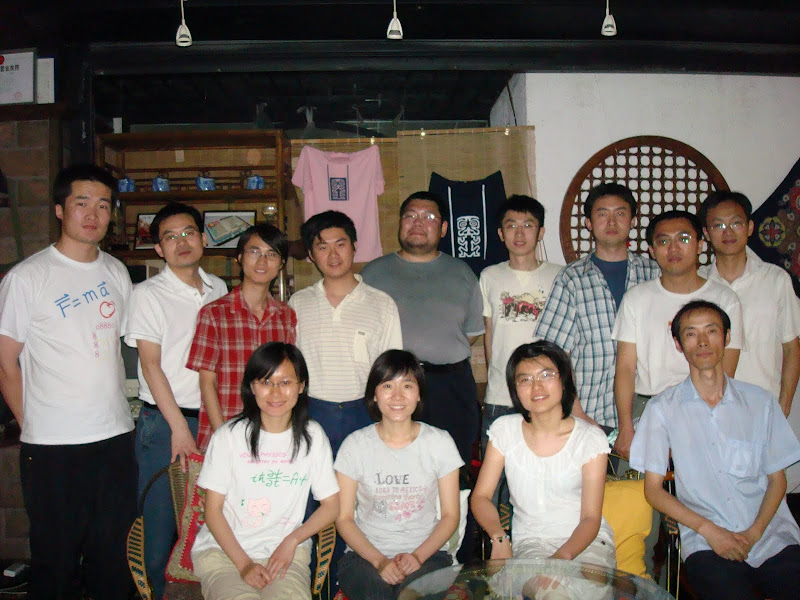
这次的情况比上次好些了,正经话题多谢了。希望下次能更好一点,最好能请些嘉宾------如果还有下次的话。
...
[阅读全文]
0
comments
|
|
|
Labels:
金融,
贴图
转载者,俺:偶像刚才发给我的连接,才看了1/3,就觉得一定应该转转(偶像不愧是偶像)。好文,马上走开,不要回来:)
----------------------纯朴的划破时空的线条---------
口述、修订:arbitrageur记录、整理:台大期货社2004~2005干部群。社长eikichiyu
我们第一件要做的事,就是清场
你们为什么要来这边呢?我跟各位讲老实话,这是一个非常非常非常无聊的社团。在所有类型的社团里面,学术性社团是最无聊的,而期货社又是学术性社团里面最无聊的社团之一。所以如果你想要有一个温馨美好的社团经验,或是想要找男女朋友,结成社对啊什么的,我诚心的建议你:马上离开这里!这个晚上你可以有更宝贵的用途。现在想离开的人呢现在就可以背起你的包包,从后门走出去了。
期货耽误我一生啊啊啊!!!我今天要讲的东西前半部分可能大家在或多或少听说过,后半部分呢,可说是第一次发表,请大家多多指教。我今天要讲的题目是:
高盛不会教你的事:如何在金融界出类拔萃
Why are You BEING Here?
所谓出类拔萃的意思是做到CEO之类的等级,首先我希望大家想一想一件事情:
「为什么你今天晚上要在这个地方?」这是你这辈子唯一一次的2004年9月29日的晚上,你这辈子不会有第二次这个时刻。这个时刻你决定要在这个地方或是在其他的地方,再加上以后你也要决定如何消费你的时间,你的生命就因此慢慢变的不一样。
一开始先跟各位报告一下那个在金融界最核心的三种产业。哪三种呢?大概分成投资银行(Investment Banking, 以下简称IB)、资产管理(Asset Management, 以下简称AM)跟再保险集团(Reinsurance Group, 以下简称Re)这个三部分,投资银行我想大家或多或少在那个报章杂志上听说过,电视电影里面也很多。投资银行基本上是这个市场上大部份金融商品和金融服务 的生产者,那相对的资产管理公司就变成是使用者,也就是说它有多很多到处向投资人募集来的钱,再决定要购买投资银行,或者是他金融服务的生产者提供给他的 各种服务。
迷思之一:投资银行部是投资银行的核心。
投资银行一般来讲会分成三大部门,第一部门是销售和交易部,那第二个部门是投资银行部,那第三个部门的话是资产管理部。而销售跟交易部门才是投资银 行最核心的一个部门。这个跟大家的认知可能不太一样,一般人可能会认为投资银行部就是银行最核心的部门,其实不管从哪方面来看都不是。从历史来看,一开始 这些投资银行家在干嘛呢?他们是在头上戴一个高帽子,帽子里面装的是什么呢?是票据。他今天可能用比较低的价钱去买到票券,然后他再用比较高的价钱再去把 他卖掉,然后他是这个样子戴着帽子到处服务。慢慢演变到后来,我们就把投资银行叫sale side(低买高卖的销售业),那资产管理叫buy side。
投资银行卖的服务就像是,比方说假设我是投资银行的 sales and trading division的人,我就去到处拉客户说:「你好,要不要来我们公司下单啊?」就跟证券商的那些营业员是很像的,只是他销售的对象是投信(即资产管理公 司)而已。在华尔街和许多金融中心的交易所,交易的方式并不是电脑程式化交易,而是由一堆交易员在场内那进行喊价的动作。事实上他在里面交易的时候,他到 底喊到多少其实是没有外人知道。这也是投资银行他销售和交易部门的获利来源(当然现在又有越来越复杂的赚钱方式)。比方说假设买方是某间投信公司好了,卖 方是sales and trading division的人,今天卖方向买方报价时,绝对会跟他讲说:手续费帮他砍到最低0.01%,那卖方到底要赚什么?因为就算交易量再大,手续费还是很 低。乍看之下好像IB还是赚不到什么钱,其实他赚的钱就是在场内喊的价格和给客户价格之间的价差。因为最后IB到底喊到多少AM没有人知道,事实上AM也 不关心,反正你IB就是我AM下什么单,你IB就负责成交就对了。各位不要小看这件事,当交易量极大的时候,要以萤幕上的「市价」成交是很难办到的事。
以上讲的是最简单的故事,后来还发展出如风险套利等比较复杂的作法。长此演变下来sales and trading division也产出了最多投资银行业的CEO,只有在并购比较兴盛的那几年或是那几个时期,如1980年代和2000年左右投资银行部会有一些人占据 投资银行高位,不然其他时候投资银行的董事会成员,其实大部分还是由sales and trading division的人来出任的。(所以各位有志于投资银行业的人请慎重考虑一下要不要去做一下这些sales and trading division的工作。)而且sales and trading division他有另外一个好处,就是这个工作和你的家世背景相关性会比较小一点。相对的,如果是投资银行部或者是私人银行部(Private Banking)的话这跟你家世背景的关系就很大。就是说进去是靠关系拉生意。所谓关系就是你前人累积的成果。请大家不要把关系看成是一个负面的东西,那 就好像家族累积下来的资产一样。
我要跟大家讲的是:如果你没有关系的话,从哪边开始起步会比较好。像其实承销之类的投资银行服务,给几家大的投资银行作都是差不多的,不管给谁做, 他们背后都是整个部门在support。那,到底要给谁做?当然是看交情�!啊,这个是朋友的小孩,就给他做好了。私人银行服务也类似,如果我家的资产就 是从一开始到现在通通是给这个人操盘,就继续给他做下去好了。如果帮我服务的这个人跳到另外一家公司,我通常也会跟他过去。投资银行部业务、私人银行部业 务比较和特定员工人脉相关。和公司信誉较无关。可是在sales and trading division就不是那么一回事了,因为从去拉客户的那个叫sales,然后那就下指令交易的这个trader分成好几关,从在交易室里面按按键的人, 到交易所交易厅的pool里面比手势的那些人,那是一整组人马啊!哪一家公司能够喊到最好的价格,就是各家公司真正的功夫。所以通常一个人跳了,也就是 sales and trader如果在公司间跳动的话,他的客户比较不会跟着他跑。
也就是说这是一个跟公司的reputation比较有关的部门。在Sales and Trading部门你最需要的就是机率思考(probabilistic thinking)的能力,和高度抗压性的人格特质。最近美国前财政部长、也是前高盛董事长的鲁宾写的"不确定的世界"(时报出版)里面对于机率思考的益 处有详细介绍。值得一提的是:鲁宾以前也是交易员。接下来再讲的就是投资银行部,那投资银行部大家就比较熟悉投资银行部就是做并购、承销股票,海外公司债 这些。
在生意很好的时候,比方说在2000年左右或是说在1980年那个时候,每一笔桉子他们抽的钱大概是交易金额,听清楚,是交易金额的6%。就是说我 要发行100亿的公司债,交易金额就100亿,那投资银行部门一个team大概是六个人左右,这六个人就去分这当中的佣金,大概会在6% 左右,也就是六亿就六个人分。这只是一个case而已,你在报章杂志上甚至电视电影里面看到有关投资银行可以赚很多钱的故事几乎都是这一种的。
不过基本上这些大的case就这么多而已,不见得每个人都可以做到那样子的生意,更何况是之前在网路上有一篇新闻,说荷兰式拍卖逐渐取代传统IPO 做法,传统投银的获利空间变小,有兴趣的人你可以去网路上看。再谈谈那第三个部门。投资银行也会做一些资产管理的服务,当然投银的资产管理部人员也很专 业,不过或多或少会有利益冲突的问题。比方说虽然其他券商的手续费较低,可是这些人还是选择自家当做经纪商。或者说是当有非常好的交易标的时,是投资银行 的自营部利益优先呢?还是这些请投银代操的客户优先?客户不免有此怀疑,因此独立的基金管理公司仍然占据广大市场。
接下来我们要讲投资银行需要什么样的人材。大概在前年吧,各家投银慢慢开始在台湾招收比较多的大学毕业生,以财金系的居多,如果你认识这方面的人话,你可以去问一下。那另外一个资讯来源就是他的网站上面他会有一些列出「本公司一些代表性的人物」,那代表性的人物你去整理一下,你会发现几个现象:第一个是成员非常的广泛,然后MBA的比例比你想像中的低很多,不到百分之五十。可是基本上他们都是他们那个国家排名前几名大学毕业的,不管他是什么主修或者是有没有商科背景都是一样的。换句话说呢,投资银行完全不掩饰自己的名校情节。
各位如果你是读台大的话呢或者是政大的话你是蛮幸运的,可是如果你是其他学校的话,你可能需要历练一段时间,然后去国外读个MBA(当然得是名校) 再看有没有机会。不过他网站上资讯也可能会误导你,因为这个世界上会跑去念MBA的两种最多的人,一种是大学毕业就跑去当管理顾问的人,另一种是大学毕业 跑去投资银行工作的人,然后读完MBA之后也是有一大票人再跑去投资银行工作。这说明什么?已经进去投银工作过的人会去读MBA,读完MBA他们还是想要 进去投银工作,这个是说国际名校的MBA学位对于你在投资银行的谋职跟升迁,其实还是有关键的影响力的。不过投资银行说老实话没有各位想像说的难进,但是 进了也不要太高兴,因为那一行的淘汰率非常非常非常的高。
比方说所谓的高盛人,他这辈子当高盛人的日子不会超过两年,这是一个平均数字。那这是不是你喜欢的工作型态?或是你要不要说找一家公司、一种产业别说是「从一而终」,至少可以做个五年十年的?你要怎样生活就看你自己。
再来再谈谈资产管理公司(Asset Management),又称投信,避险基金也属于这一类。关于投信是怎样的公司,我就不再多做解释了。在这个社会上,资产管理公司已经变成很多公司实质 上的股东了,可是这笔钱也就是那最后持股的人,已经要算到谁头上已经不知道了,而且大部份受益人的金额都不会太大。换句话说,这个时候基金经理人就好像是 大股东一样,虽然那些资金是客户的钱,不是他的钱,但是因为是基金经理人在决定要买者是要卖某一家公司的股票,于是乎他就被奉为座上宾,然后投资银行和各 个基金所持服的公司成员,就得定期专门去向这些资产管理公司的经营阶层和基金经理人报告,也就是说,buy side因为持股多,是被服侍的老大。
世界最有名的资产管理公司是富达,富达最有名的人大概是Peter Lynch吧,不过他已经退休很久了。在资产管理公司里面它也有分很多部门,不过他每个部门拿到的pay跟投资银行比起来,差距就比较大。投资银行里面, 只有少数的部门拿到的钱是明显比其他人少一节的。资产管理公司里面,只有基金经理人跟比较大牌的分析师可以拿到很多钱。其他的像是行政人员总机小姐或者说 是客服人员,这些人拿到的薪水都是比较
低的。比方说,今天你向大家说:「我在高盛工作。」大家就会「哇!」如果你说在富达工作的话,他们就会先问你在什么部门。至于资产管理公司他要什么样的 人,其实他讲的满明确的,就是要MBA跟CFA两种都具备的人,那这当然是包括你已经有几年的工作经验了,可是并不是说只要你有这两项资格就进得去,因为 资产管理公司相对于投资银行而言,他是一种比较稳定的工作,也就是说离开的人比较少,那进去的人当然就不可能多。不过你进资产管理公司的话,你的生命会比 较有品质一点。不过也别小看这些起薪低的人。
在资产管理公司里面,升上高阶管理职的人,很多都是客服部门出身的,这其中原由其实大家可以好好推敲,因为,我自己是猜想,他们比较了解、比较贴近客户的需求,就是说比起基金经理人,他们们了解客户。
接着我要讲的第三种公司就是再保险集团。真正超大的那种再保险集团是很恐怖的,我大概给各位几个数字。比方说幕尼黑再保集团,可以在一年里面收40 亿欧元的保费,你可以换算成台币,现在的话大概是1600多亿,那他的员工人数不多,只有40000人而已。像911这种事件的话,他一次可以赔掉20亿 美金。不是说他整年赔的,而是说光是因为911事件就可以赔掉20亿美金……的这种大集团。这些再保险集团、很多名字,各位在国内可能很多连听都没听过。 保险公司,不论是产险、寿险或是再保险,最大的特点是在于:他是唯一一种可以固定收到成本为零甚至为负的资金的一种行业。那如果你不知道什么叫做成本为零 或是成本为负的话,你可以把市场上的定存利率想成成本为零的那条线,假设这市场上的无风险利率就是3%,那代价是3%的钱就是叫做没有成本,如果你能用 2.5% 的代价就能借到钱的话,或是收到钱,那就叫做你可以收到成本为负的资金。
保险公司正是这样的一个行业。各位应该没有人不知道华伦巴菲特的吧!华伦巴菲特他手下大概有几十家公司,那其中保险事业对他每年贡献的现金,我讲的 是现金,就占了他整个集团的一半。那他就是拿这些成本很低甚至是负的钱,再去投资其他公司。保险公司投资其他行业的法令已经慢慢地要松绑了。你们大概也知 道,新光金和台新金,就是吴家嘛,吴家是从保险集团开始壮大,光是吴家就已经产生两家金控,那蔡家也是两家,富邦跟国泰其实一开始也是靠这种保险业,那他 们再慢慢从保险那边收到资金去扩及到其他各行各业。
可是因为保险公司的薪水比较低、升迁比较慢(相对于证券业和银行业),所以他吸收到人才的素质一直不如资产管理公司及投资银行。可是如果法规继续松 绑,我的意思是说,因为保险公司他的资金成本极低,股本和现金又多的一个特性,只要法令松绑,他在并购的时候他反而会取得一个主导的位置。你可以想像一个 最极端的情形,假设今天法令松到我们可以从保户身上收来的钱去进行恶意并购的话,那会是一个怎么样的世界?
结论就是呢,在法令慢慢松绑的同时,保险公司在未来的金融界甚至各行各业,影响力会越来越大。那最明显的一个例子就是柏克夏哈萨威集团,就是保险公 司很容易变成一个跨领域的控股公司的一个核心,这就是保险公司在未来世界的一个价值。接下来再跟各位分享一下保险公司它里面工作的人大概有哪几种。第一种 人就是数学跟统计专家,一般来讲我们都会用精算人员去称他。那精算人员做的事情就是「决定某一种风险值多少价格」。
至于算法当然千奇百怪,不过这是一个非常非常古老的行业,大概已经有上百年了吧。你要做这种工作的话,其实很简单。第一个就是你要通过精算考试, 如果你是在美国、英国跟亚洲大部分地区都是这样子。虽然在欧陆有一些地方他们是用学位跟工作经验,就是说某些学校的学位跟工作经验去培养精算人员。不过我 想以大家未来发展可能性来讲的话,考试还是比较快的方法,不然你要去欧洲念那些学校成本也是很高,而且你不能从现在就开始做准备。除了通过精算考试之外, 你还要有基本的程式写作能力,你的程式写作能力不需要像IT人员一样的高深,可是基本的程式写作能力是必要的。
最后你还需要有那种生意人的特质。应该这样讲好了,有人说混得不太好的精算人员,美国有一种名词去形容他们,叫"number crunching people",就是在咀嚼数字的那种人。比较好的精算人员或最后能够晋升高阶管理阶层的,其实是具有生意人特质跟个性的那种人。如果你不知道什么是生意 人特质跟个性,你就想像业务员就对了。不过同时具备这两种特质的人很少,如果刚好就是你,可以好好考虑一下保险公司。另外就是需要科学家跟工程师。
这两种人到底在干嘛?仔细想想,什么是最难的或最有趣的保险,我在这边可以跟大家报告一下:比方说是恐怖攻击险,或者是类似瘟疫的那种险,就是重大 传染病的那种保险,而且是一次就会死很多人�或者说是气候变迁险,比方说是如果海水温度还再上升个一度的话,那会怎么样?怎样的产业在怎样的国家会有怎么 样的损失,或臭氧层的破洞再变大一倍的话会怎么样?然后还有就是……像是什么药如果你长期使用之后或大范围使用之后会有什么副作用?比方说如果这些抗生素 你再拼命用,那到最后所有细菌都不怕抗生素了,那怎么办?
这些风险到底该怎么样转换成保险用语?那种国际再保险集团他们会雇用科学家定期监看各种科学期刊,他们会组成一个小组去决定说什么东西大概值多少价 钱。像之前我看到一个报导他说,气候变迁将会使全球损失三千亿美金,不过我不知道这个东西怎么来的,但他们就算得出这个数字。那这个当然是科学家和精算人 员合作的一个结果。那工程师的话就是,其实很简单嘛,比方说北京奥 运的场地,那北京奥运的场地,他这个地方这个东西,比方说你保额就是它的建造费用的话,你这个保费到底要定到多少?盖的时候有没有偷工减料,或是设计的好 不好,或是其他�边的各种因素,就是所谓的工程的专业知识有在里面。这个东西你要怎么换成保险的术语跟价格?这是工程师在保险公司的一个作用。还有就是财 务跟经济学家。
像现在大家比较熟的一个词就是财务工程,也就是说现在衡量风险的方法比起以前要复杂很多,有一些已经不是传统精算人员能够做了。所以保险集团里面有 些这样的人。那经济那不用讲了,就景气上上下下,或投资热潮从中国移到不知道是哪一国,哪些国家会有怎么样的风险……。还有就是律师,有些律师是帮忙准备诉讼用的,有些是帮忙定保单用的,因为真正那种大额的保单上,每一条规矩、每一条限制到底相对是多少风险的调整,多少的可能损失,万一上法庭可能有什么样的结果?这部分都需要律师的加入。保险公司里还需要IT人员,当然就是搞电脑的,这就不用说了。
那另外一种人叫做underwriter,他在投资银行里面叫做承销人员,但在再保险集团里面他叫做核保人员,他在再保险集团里面有关键性的地位, 他是再保险集团里面做生意的那种人。To insure or not to insure, that is the question……就是underwriter在做的事情。他们做的事情就是比方说一个非常大额的保单,你要保还是不保,或者说是条约里面有没有哪一条 要修改,或者说是价格如果比对手高的时候,万一我们提出来价格比对手还要差的时候,你是不是能够当场立即反应知道成本是多少?能不能够把价格降下来,这就 是underwriter在做的事情。那你要做underwriter的话你需要比在投资银行或资产管理公司的人比较好的数学能力,和不比他们差的做生意 的本事。这种人坦白讲不多。各位有机会的话,可以再多研究一下underwriter这个工作。
再来我就要讲说,你要在金融业发展比较一般化的走法。其实很简单,就是拉高你的大学成绩->学好英文- >申请国外英语系国家交换学生->进外商暑期工读->进外商当分析师,或是所谓大学毕业能够做正职。接下来就是过了三五年去国外读个 MBA,接下来进外商申请那种MBA读完能做的那份工作,一般而言叫做 associate 。可是我蛮怀疑说,在场的各位有多少人能走这条路的,因为路很窄,位子很少,非常非常的少。所以如果你还没仔细考虑过其他路线,接下来可要仔细听了。我们 在金融界到底在干嘛?我们做的事情其实就是constrained optimization。也就是在限定条件下最佳化你的表现,要表现的比你的对手还要好。
你可以想像是奥运,每一项比赛都有他的比赛规则,你怎么在这比赛规则之下锻炼你自己,能够在需要的时候表现得比你对手还要好。那在古时候要做这种事 情其实非常简单的,基本上你只要会加减乘除会看财务报表,特别是那时候电脑还没出来,凭人脑要做即时的连续时间函数的运算那是不可能的事情。甚至你现在看 起来用excel能很快算出来的东西,在那时候就要一组精算师或一组数学家算个好几天呢!
现在在保险业,你需要用到应用数学、应用统计统计的知识,和要会使用一些保险相关的套装软体。如果是现在满红的财务工程的话呢,那就更麻烦了。你需 要写程式然后及时代入交易所给你的报价,然后解那个随机微分方程。你怎样解的比你的对快、比你的对手好,先比你对手快一步做出正确方向的投资决定,你就可 以打败你对手了。
面对这样高度复杂的状况,专业还是最基本的,因为现在这种现象已经变成是……当代财务学是建构在数学和电脑之上的一门学问。这些所谓硬功夫的各种专 业是最重要的事情。大学的时候或研究所阶段如何修习相关课程呢?我想这是跟各位比较有关的部分,也就是你要怎么准备你未来的人生?大学你修课的时候要以此 方向为准则。这个部分我在板上有po过三种参考的课表,各位可以回去看一看。简单来讲就是数学电脑经济会计这些东西,再往上有财务工程和金融计算,最上有 连续时间财务之类的东西。总而言之,想在金融界闯荡,如果没有坚实的专业能力,就像是赤手空拳在丛林里搏斗一样,还能活着,纯粹是靠运气。
请大家务必把握时间,加强自己的专业能力,不论是计量还是程式能力都好。讲到这边不知道大家有没有什么问题呢?我问大家一个问题:有两种人,数学电 脑很厉害,在世界上非常有名,这两种人是哪两种人,不知道有没有人知道?第一种人叫做华人,华人意思就是中港台,你也可以算进新加坡。第二种人就是印度 人。我这样讲你可能很快就想起来,这两种人数学和电脑的功力在世界上都是有名的,在硅谷的部分不管是软体还是硬体都有相当好的发展,我不敢说这两种人已经 支配全世界的IC产业,但基本上他们在IC产业的表现大家已经是有目共睹的。甚至有人把所谓的IC industry叫做India China Industry。
现在问题就来了。为什么金融业不会是另外一种、至少现在还看不出来,不是另外一种IC产业?为什么印度裔的人跟华人在金融界的表现还没有非常突出, 那反而是犹太人在这个领域如此出色?到底是为什么?犹太人到底是掌握了什么?或者我该这样讲,犹太裔的银行家到底掌握了什么,使他们今天在金融界有这样的 地位?我们的目标是不是应该要放在学习犹太银行家成功的秘诀?那这个秘诀到底在哪边?其实我刚才已经把答桉写在黑板上了。秘密就在……像这个时候就要来一 段工商服务了。马上走开,不要回来!
Constrained Optimization
刚上半堂跟各位讲的呢,是各位在这辈子,我是说如果你对金融有兴趣的话,大概会是各位这辈子听说过的最大的谎言。听过的人就当作是在帮各位复习一下 这个谎言,没有听说过的,我保证你以后一定会一而再,再而三的听到。我所谓谎言的部分就是,金融专业是无比的重要这档事。这句话本身是一个谎言。但即使是 要去学习犹太银行家或金融家成功的秘诀,这也是一种幻觉,或者说是误会。因为,如果你现在还在学习他们的话,你一辈子只能追在犹太人的后面而已。如果你想 要跟他们并驾齐驱,或是超越他们的话,你要学习的是比他们更高竿的人。也就是说在这个世界上,比犹太人更有影响力的人,包括日尔曼人和盎格鲁、萨克逊人, 特别是有美国国籍的那些,这个才是你应该要效法的对象。问题的关键其实我已经写在黑板上,其实大家会犯这种错误,其实都是犯了一种毛病,就是斜眼。所谓邪 眼呢,就是飞影头上那一颗,哦不行,讲这种话,会泄露我的年龄。
我十八岁,大家要记得喔好,不盖了,接下来我们要讲更严肃的部分。真正的秘袂就在:Constrain(ed)
很多人看到这个字,就只看到他的形容词型式,接下来,就从此被constrained而万劫不复,然后一头栽进optimization的深井中, 从此不可自拔。然后谁跟他讲其他意见,他都以为那是在唬烂的。其实你看到这个字的话,你应该就要想到它另外一种型式,constraint也可以是名词 呀。小钱跟大钱,法金或消金,或者是上层或下层,最大的差别就是在:当牵涉到的利益非常、非常、非常巨大的时候,我们可以为此改变游戏规则,不见得是单纯 的被游戏规则所限制。所谓的constraint有很多形态,大家第一个可以想到的就是法律。可是在法律里面,如果你有看过法律的话,它里面它会写很多什 么什么什么由主管机关订之,也就是说,行政规则或者是命令,或是主管机关的一个意见,也是constraint的一种。甚至很多时候都是油水出现在法律之 前,当法令完备之后,利润已经被一大堆竞争者分食完毕了。
其实constraint你再继续讲下去的话可以包括很多,比方说民族性其实也算是其中一种。或者说是你这个地方的地理条件也可以算是一种,还有很 多很多。在历史上,真正在玩大钱的时候,这个才是重点。constraint就算没有比 optimization更重要,至少也一样重要。大家一定要记得这句话。如果你还有时间的话,应该用生命努力钻研constraint更多一点。
如果你真的想站在金字塔顶端的话,这才是你要追求的目标。在历史上的金融创新能够实现,大部分的状况都是因为constraint的改变,而不是因 为什么伟大的财务专家发明了什么东西。因为那些东西你发明出来,不能做还是没有用。大家有兴趣的话可以去看金融业的历史,我在这边简单举几个例子。之前辜 仲莹不是和陈敏薰在争夺开发吗,后来财政部做了一个关键性的决定,就是说,开发工银持有的开发金的股票不能行使同意权。那结果就底定啦,陈敏薰就输定了, 辜仲莹就赢定了。可是为什么财政部会做这样子的决定呢?这里面一个很关键的人物叫做刘绍�,他以前是理律法律事务所的合伙律师,现在已经到中信金担任策略长的职务了。这个人你可以去网路上搜寻一下之前的新闻就可以看到了。我现在要讲的是说,法律专业不是改变constraint的充要条件,其他的律师做不到和刘绍�一样的事情,刘绍�做的事情是很巧妙的。
刘绍�以前就很有名,他看法律的观点和其他人很不一样。其他的律师看法律的方式是,把状况拆解到现有的法条当中,然后把解答给他的客户看。刘绍�的 看法是反过来的,他的看法是,要做某些生意的话,目前还少了哪一条法条?或者是少了哪一部法,然后他想办法去制造这种东西出来。像那个企业并购法就是他做 的。他在这个case就是要帮辜家嘛,他做了很多非常匪夷所思的事情。首先他先去投书,或去开记者会制造各种舆论,然后让大家觉得说,子公司持有母公司股 票行使同意权是不对的。然后他在一场关键性的记者会上,他大声疾呼说子公司持母公司的股票然后行使同意权,是「大逆不道」。然后这个东西就被媒体大幅报 导,接着这形成一股社会风气,最后财政部就顺水推舟,做出这样的决定。这真的是运用各种管道达成改变 constraint(在这里是主管机关的意见)而达到自己的目的的一个绝妙例子。
另外一个例子就是在亚洲金融风暴的时候,不是很多国家应声倒地吗?然后IMF就在鬼唱一堆狗屎屁,什么「坚持市场自由化,从事金融改革,然后我们就 会提供你一大堆贷款,让你能应付投机客」(最近美国前财长鲁宾出了一本「不确定的世界」,又在鼓吹这种论调)。可是贷款再多也没有用,全世界每天有上兆美 元的热钱在跑在跑去,更何况投机客的必杀技就是杠杆操作,一块钱等于十块二十块,你政府有多少外汇存底和IMF的贷款都没用。也许你会问:政府也可以�杆 操作啊?不过史有明证,不灵活的公务员如果从事杠杆操作的话,只会以光速赔钱而已。这个时候呢,就有某些国家误信IMF那套,于是货币不断狂贬。
这个时候马来西亚想要关闭外汇市场,可是被美国施压,于是没有立刻施行。这个时候投机客把脑筋动到香港上头,而伟大的阿共仔虽然不甩老美,可是还是 宣称要动用中国的外汇存底捍卫香港(这真的做了的话,就是送钱给投机客),结果到了对决的那天……阿共仔宣布调高期货交易税,也就等于是藉由行政手段垫高 炒手的成本,索罗斯一伙人一听到这个消息,马上知道玩不下去了,闪得不见踪影。而马来西亚总理狂批IMF和美国已经来不及了,他如果老早动用类似手段,也 就是由constraint下手,马来西亚受伤会轻很多。喂,你想想,连这么自由,外汇存底这么多的台湾,当年都把NDF关了呢!虽然也是受到各国很大压力,动作慢了点。你今天政府拿钱去和投机客玩,比操盘(optimization)哪有可能会赢呢?当然是要用政府的强项,玩规定(constraint)啊,政府规定够机车,投机客完全没有施展空间。
再来又讲回金控。
1933的时候,因为经济大恐慌,美国通过Glass-Steagall法,禁止商业银行和投资银行跨业经营。1956年时,又通过Bank Holding Company法,禁止商业银行持有保险公司且降低银行承销保险之风险;但是1998年时对于citi及travelers的合并桉给予两年试用期。 1999年时,终于通过了Gramm-Leach-Bliley Act,废除了Glass-Steagall and Bank holding Acts从此美国金融业才能成立金控。但是欧洲一直没有这种限制。美国如果不是经过这几关的话,全球金控排名绝不是你今天看到的这样。应该美商金控的势力 会比今天大一点。喂,那些金融巨兽每差一名是相当于多少资产啊?
问题是,跨业经营的各种道德风险一直都是所有人都知道啊,而金控的种种好处(如跨业销售)也是大家都知道。为什么在某些时刻才发生那些改变?那之前 一到五年的历程是什么呢?政府为什么在某些时候封闭,某些时候又开放了?大家好好研究研究吧。最后就是因安隆桉和世界通讯而生的Sarbanes- Oxley法案。这项法桉使得美国上市公司董监事酬劳大幅增加,也限制了会计师-管理顾问-投顾跨业经营的可能性。不然本来可能会出现会计/法律/管理顾 问/资讯系统四合一的整合企业服务巨兽。此法并扩大了董监事责任险和企业风险管理的市场。
不过……英国没有这样的规定,也许有些公司因此就跑到英国上市,美国主管机关也不得不考量到接下来可能的后果。请大家密切注意后续发展。还有之前不 是华尔街十大投资银行被罚款十四亿美元吗?他们之前的干的坏事大概就是发布不实的利多报告以招揽承销生意,并且优先把报告给大客户 (资产管理)看再公布给一般投资人,藉此谋取不道德暴利。如果把研究部门和承销部门/交易部门切割正式立法的话,金融界马上就大洗牌,大家可以先预想一 下。因为这可能会影响到很多人未来的人生规划。
接下来的重点就是说,跟各位分享说,你怎么样培养有驾驭constraint的能力。这种事情是需要天份的……需要一分的天份加上九十九分的努力。 这也是比犹太人更有影响力的民族他真正成功的秘诀。因为犹太人在这个世界上影响力当然很大,可是你可以这样讲,就是说这个世界基本上不是他们在主宰的。主 宰这个世界的另有其人,就是那些继承罗马时代伟大的精神,祖先从英国或是德国渡过大西洋,现在住在美国东北角的那些人,也就是新英格兰地区英裔和德裔美国 人。
接下来我要跟大家分享的是,我整理出来的,就是怎么样培养你能驾驭constraint能力的几个做法。那我会分成:要做什么?什么时候要做?为什么要这么做?然后,做了对你有什么好处?」几个部份加以叙述。
一、深入参与期货社
二、大三或以后去上李锡锟一年共六学分的政治学
三、练好经济、会计、统计、数学和程式这五种财务学基本功
四、双修文学士和理学士
五、尽量少修商管课程、少看商管书报杂志
六、研究罗马史
七、钻研演化心理学和决策科学
八、学习领导艺术和策略
九、实践生命哲学,特别是「某些」存在主义哲学
一、深入参与期货社
第一个你要做的事情,就是加入期货社。这不是我老王卖瓜,我相信各位今天来这边之前,没有人去想过这个问题(constraint才是最大的关 键),你在其他的金融社团,也没有人在讨论这个问题。现在国内其他的社团,你大概也没有听说过有谁是专门在搞这些事情的。所谓参与,不是指你每个礼拜在这 边听课就好了。你在这边听再多的课,也只是被动接受而已,况且,在这边听得再多,一个学期也不过二十个小时,还不如一个财金系教授开的一门课一半的时数, 干部上课的经验也 不会有教授好,是吧?我所谓「深入参与」的意思是,你对这个社团有足够的投入和付出,包括热烈参与讨论,加入社团运作,投入时间、心力和热情,上台讲课, 出任干部和社长等等,最后你总算变期货社杰出老骨头之一,并走出自己的一片天,但还一直找时间和学弟妹心得分享。期货社「骨灰团」聚会的时候,除了闲嗑 牙、八卦之外,在聊、在研究、在讨论的就是怎样去驾驭constraint。那如果你能够和期货社社友变成好友的话,你的进步会比较快,因为很少人在研究 constraint,而且独乐乐不如众乐乐,三个臭皮匠胜过一个诸葛亮,那什么时候来做呢,快加入期货社吧!
期货社是国内研究constraint最顶尖的社团喔!
二、大三或以后去上李锡锟一年共六学分的政治学
第二件你要做的事情,就是去上李�坤的政治学。你要听清楚,是政治学不是政治概论哦!他大概是国内研究所谓比犹太人更具影响力的民族,或者说是在影 响力背后的机制最深刻的教授了。到底有哪些人?这些人、这些比犹太人更�的民族从那里来?他们是怎么样培育他们的下一代,他们倒底做了什么事情?他们倒底 在现代的社会中,隐身在那里?他们还有什么样的影响力?还有他们怎么样把他们的影响力延续下去?这些东西就是他政治学里面的内容。
虽然他叫政治学,但是他教的是这种东西,而不是你在一般教科书上看到的那种东西。你去上他的课,可以说是对培养驾驭constraint做最好的准 备。因为他的课你一年上一上应该有九十到一百个小时吧,这一百个小时可以说是你这辈子打底最重要的工夫。在NTUcourse版上对他的课当然有很多好坏 不一的评语,不过我只能跟你讲,如果你要研究constraint的话,在台大里面没有一门课比这门课更重要。至于什么时候要上呢,我比较建议各位大三以 后再去上,大四也不嫌晚,如果你是研究所的话,最理想的时间应该是在你大三以后到你离开学校前的一年。
如果你在大一去上的话,它对你只有零学分的价值。那大二的话就是上下学期各三学分就是六学分了。那大三你去上李锡锟政治学的话,对你来讲会有「六十 学分」的价值。我这样讲一点都不夸张,你自己想想看你在大学里投资多少时间,多少学分是在optimization上?说不定有破百,是吧?而 constraint位于结构的上层,比optimization还要更重要。至于上他的课,有人会说他给分都乱给嘛?你只要记住一件事情,上他的不是要 专心听的,是等到你生命的经验够了,看到的事情多了,上他课的时候,突然听到他一句话,然后开始跟你的生命经验做结合,然后你就开始陷入自己的沉思中,然 后神游一段时间后回来,又听到一句话,又开始思考……这样子大概过一个学期之后,你好像是拿了他的笔记,就是那些条列的重点大纲,可是配合上你的经验和你 的体会去对他……你就想像李锡锟是你的学生好了,去对他讲述这个故事,这样我保证你的分数在八十五分以上。可是如果你只是背笔记的话,那分数应该会蛮惨 的。他那门课只有期末考,一试定终身嘛,这是风险。
可是我是真的觉得,就算你有被当的可能性,你还是应该要去上。因为真的没有人上的比他还要好,可是你一定要在「对的时间」抱持着正确的心态去上。他在上的 时候他也会告诉你说,他这些东西是从那边浓缩而来的,你也可以得到很多进阶阅读的材料,知道以后要看什么样的书,要怎样精进。总之,「大学的时候没有比李 锡锟政治学更重要的课」,你一定要记得这句话。千万不要为了什么某某数学某某统计某某经济或是某某金融商品而放弃修这门课的机会,这些 optimization面的枝微末节以后再学都还来得及,而且能学的地方多的是,可是李�坤的政治学,离开大学这个环境,你的机会真的就不在了,而且我 不知道他会继续上多久,所以请大家一定要把握时机。不过如果你还是大一大二的话就算了,再等等吧,反正他是不敢随便退休的,不然我去他家把他架来上课接下 来我要讲跟财金基本功唯一有关的部分了。大学修课的重点不应该放在学习以后会用到的应用知识上,或是修一大堆的商管课程;而是假设以后的东西都要自学的 话,那些课程是基本功中的基本功?能够帮助你以后在自学时候的迅速掌握那些应用知识,不管那些应用知识是什么?(所以小弟以前写的财金/财工/精算课程基 本上是垃圾,给大家当笑话看吧)
三、练好经济、会计、统计、数学和程式这五种财务学基本功
所谓财金基本功大约分为五大类:经济、会计、统计、数学跟电脑这五部分,都有分基础跟进阶,依你的天分和兴趣决定修读的深度。
分类 基础 进阶
经济 经济学原理 个体经济学
(经济学甲) 总体经济学
会计 会计学甲 中级会计学
统计 统计学 数理(或高等)统计学
数学 微积分 微分方程、线性代数、高等微积分
程式 程式设计 资料结构、物件导向程式设计、演算法
经济的部分,基础的当然就是大一的经济学,经济学原理或经济学甲;比较进阶的部分就是经济系开的,大二的个体经济学跟总体经济学。会计的话就是会计 学跟中级会计学。统计学部分的话,在初阶的部分就是不需要微积分的统计,就是你们一般学的课名叫统计学的那种课;进阶的话就是需要以微积分为基础的统计, 像数理统计学和高等统计学这个部分。数学的话比较基础的就是微积分和线性代数,比较深的话就是微分方程和高等微积分;程式……一开始的话,你可以学程式设 计和物件导向程式设计(C++或java),这样子的话你就会写程式了,但如果你想要写出好的、有品质的、不是土法炼钢的那种程式,你就要学资料结构和演 算法。
不过我这里虽然列出五大类,还包括初级跟中级,不是要你全部都学会。比方说,你微积分就修到快要被当了,你干嘛去修高微?而是说在修这些课程的时 候,你慢慢可以发现,你自己比较需要哪方面的知识,或者是说个性和天份比较适合哪方面。像是反过来说,有些人就是看到高微他觉得就像在看小说,也许他就比 较适合往财工这边钻下去。
我这样讲还不够夸张,像我以前的室友,他的娱乐就是打电动和看数学,量子力学跟泛函分析,天啊!他是当休闲用书在看的。所谓泛函分析就是,你微积分 学完学高等微积分,高等微积分学完可能会学复变吧!复变学完了,你要学研究所的实分析跟复分析,就是实数函数的分析,复数函数的分析,最后一个对所有各种 类型函数的讨论那就叫泛函分析,也就是说从微积分开始算,可以算是第四层了。有人可以把这种东西当作是在看小说,而那种人就住在我房间,后来我就对自己 说:「我这辈子玩数学没有比较利益!」学这种东西是帮助你认识自己在财金领域要走哪一块,那如果是一般财金的话,会计和经济学到中级会比较好;那如果你要 玩保险精算的话,数理统计学是必要的,中级的经济学最好也修一下,那财务工程的话,你数学、程式当然得比较强。
那接下来我们还是把重点回到constraint的这个部分:
第一个就是加入期货社,第二个就是修政治学,第三个是如果还来的及的话,我请你慎重考虑双主修或辅系这档事。
四、双修文学士和理学士
文理双主修(最佳) > 跨学院双主修(也不错) > 修其他学系专业必修课(起码)
在国外先进的大学里面,他们把大学定位成一种全人的教育,大二开始他们才会开始分系,比较慢找到方向的人,甚至在大三的时候才决定主修,也就是说基 本上他们在之前学的东西都是通识课(core curriculum),所谓通识教育的目的是在帮助你探索知识的各个学门或取向,英文叫approach或discipline。在国内的话,对不起, 这一切都是教育部的错!各位大概在高二开始就分组了吧,在分组之后,所有的人就分成理组和文组这两个部分,理组的这个部分他们讲究的是实验,然后他们讲的 话和思考的方式会比较精确,然后他们掌握的是这个世界的一些技术。
而文组的人他们做研究的方法是比较偏向论述方面的,那他们面对模煳的能力是比较好,像学理工的人他在这个环境就不是这么舒适,然后他掌握这个世界的制度,然后台湾的高级知识份子就分为两个世界,这两边的人永远无法去理解对方到底在干嘛,互相歧视。 可是,如果这个时候你刚好横跨两边,你有办法和两边的人沟通的话,你的眼界就比他们大一倍�!这个也算是两种不同的世界观,所以如果只有一种世界观的时 候,你眼中所看到的世界只有一半,一半的意思是说不只你解决问题的方法只有一半而已,你连问问题的方法都只剩下一半。问问题其实比解决问题重要多了,一但 你问出了对的问题,你就知道要去找哪些专家学者组成专桉小组来研究。有些问题是用理的方式,也就是科学的方式去问是比较好的,你不得不用人文的方法去问, 效果就差多了,或者是如果你是理工类组的你的状况就相反,明明是一个人文问题你硬要把他搞成科学问题,就是用错办法。
理组这边他们的专长是找出问题之间的规则时比较有效率,而且比较精确,然后这个结论也是比较有效度(validity),你把他讲成比较强有力好 了,效度是什么东西各位以后去修研究法的时候就会学到,你也可以用google大概找一下。文组的专长就是在模煳的环境里面他会觉得很舒适,很多连定义都 很难作的问题,文组的人仍然有办法可以处理。
这个世界本来就是模煳的,而理组的人碰到模煳的状况,不是觉得浑身不对劲就是完全乎略这些无法精确定义的问题。台湾受过高等教育一群人之间最大的问 题就是,这两种人彼此没有办法沟通,或是说这两种人之中能做为沟通媒介的那群人实在是太少了,如果你就是这些沟通媒界之一的话,两边的人都可以为你所用, 因为只有你可以跟两边的人沟通。我真的是这样子强烈的建议大家,就是说你修的那个系颁发的是bachelor of art,你就去选修bachelor of science的这种系,反之亦然。那在选的时候,如果你是文组的,你能够选数学或资讯以外的系是最好,因为数学跟资讯并不包含太多的实验在里面,也就是 说你要做一些逻辑论证或推导的时候,其实你是根据某些假设,那些假设不一定是真的,只有实验才能去验证这样子的假设,所以最好的状况当然是去修物理之类的 基础科学,可是对于高二就没有读物理、化学、生物的人来说,痛苦应该蛮大的。
当然我这样讲的文理互跨双主修是最好的,不然也可以跨学院双主修,最起码你要去修一些外系大二、大三的必修课。不过跨学院至少有一种例外,就是管理 学院修经济系,就是这两种东西你可以说理论和实务相结合,可是他的世界观是非常非常接近的,或者你可以这样讲,根本就是一样的,那你就没有办法达到我刚讲 的那种跨领域学习,开拓自己的世界观的效果。修的时候你也不用去想说另外一个系热不热门,好不好找工作?
最主要是要开你的眼界用的。大学是奠定你一辈子世界观最重要的时光。如果你不在大学的时候建立好自己追求智慧开 阔而坚实的基础,离开大学之后再做会非常痛苦,应该讲说不可能,因为大学是型塑你下半辈子价值观最重要的期间,像是研究方法大致可分为实验、计量分析和质 性研究这三块,那什么东西都可以做质性研究,能够做实验的东西很少,但只有实验能断定因果关系,其他方法都不能,量化研究他的研究速度和导出结论的速度会 比质性研究好。只有你大学所学知识是三种并重,你才知道面临什么情境时要怎样问问题,在大学的时候你要尽量追求人文和科学并进的教育,既然教育部提供给你 的制度不是这样子,你就要自力救济。人文教育能够帮助你面对混沌,科学教育可以帮助你克服复杂,文理双修的话,你才能发现别人看不到的,连结在两者之中的 美丽小世界,没有反应的人,代表你书店逛的太少�。
五、尽量少修商管课程、少看商管书报杂志
接下来就是请大家在学校尽量少修管理学院的课。念到管理学院的系的同学比较幸运的一点就是,你的同学相对于文组的其他学生是比教聪明的,你的想法比 起法律系的学生又比较灵活。可是大学部的商学教育并不算是基本功当中的基本功,那对于建立你比较完整的世界观也没有太大的帮助,在国外的经验更是会和你强 调说,有工作经验之后你去学管理,你才会知道这修东西到底该怎么用,少修的意思不是叫你不要修,如果你基于各种考量,譬如想接近心仪对象的话,我求你修! 真的!
不过没有工作经验下的管理学教育没有意义,甚至于大学部的管理学教育对研究管理学(如读商博)也没有帮助,大学该做的事情是筑基,而商学的三门基本 功是数量方法、经济学和决策科学。这可不是我乱盖的,Stanford和Insead商学院博士班有所谓的院定必修,是不管你主修什么都应该要会的。大学 时应该好好学习的是管理学的根本,就是个体经济学、线性代数、数理统计学、计量方法、社会心理学、决策心理学。而不是一大堆乱七八xx管理。商管学院的特 别注意到啦:given你已经有一大堆必修课都是管理/金融课程了,你再选修自己院系里面课程的边际效用又再更低,所以,千万别执迷呀!算我求你。至于管 院某系双修管院另一系更是头壳坏去(你不要对我辩说会计和资管差很多)。
醒来吧,同志们!外面的花花世界正在等着你们。然后,跟少修管理学院的课一样重要的事情,就是要少看商管类型的杂志跟书。商管类书报杂志依内容99%可以分成三类:
第一类一天之后就是垃圾,
第二类一�之后就是垃圾,
第三类一季之后就是垃圾。
如果你把宝贵的生命花在这些事情上,连续数十年,你怎么能期待自己能够脱颖而出,进而出类拔萃?今天高手和平凡人会有差异,不在于吃喝玩乐或是做一 些庶务性工作的时候,你吃饭高手也要吃饭啊,你睡觉高手也要睡觉,你嗑牙高手一样也会,你玩MSN高手照玩啊。会有差距是在高手和平凡人自以为在精进的时 候,做了不同的选择。
而这些时间,一年可能只有五百小时,一天只有一小时多一点。五百小时/年能够制造多大的差异呢?平凡人选的是书店里最畅销的管理大师新作品,精读之 后觉得很有道理,而高手选的是经过十年、百年、千年岁月洗炼后人类智慧的精华。久而久之,高手全身上下挂满千年神器,信手拈来就是上古神兵。然而,平凡人 永远不知道,读那些死人骨头到底有什么用?(商管类的书也不是全部都烂啦,杜拉克、科特勒或是巴菲特这些老鬼早就通过不知道多少个十年的考验了。不过你一 定要读足够人类的经典并且有深刻体会,你才能去预测,哪些商管类新书里面写的东西十年之后依然很有用。)
最后我要讲高级班,分历史、科学、艺术、哲学四层次
六、研究罗马史
接下来最后的部分是基于上面的基础之上,你去培养驾驭constraint的能力,第一个你要学的东西就是历史。有句话说:「愚者以自己的经验学习、智者由别人的经验中学习。」自己的经验当然是无法取代的,问题是你每次跌倒受伤能成长多少,和你从别人的经验中学到多少非常有关。读历史有点像是做大量的 case study,从当中去归纳出一些道理出来,建立自己的史观,以做为日后决策的基础。那你要学怎么样的历史呢?最重要就是罗马史。理由有三:
(一)罗马时代是现代(西方)社会的原形
(二)罗马人在智力、体力和商业能力都不如对手,却能一一打败他们
(三)罗马史是现代西方国家上流社会教养子弟的必备课程
(一)罗马时代是现代(西方)社会的原形
比方说是法律vs.神的戒律、共和制vs.帝制(比较接近现代的总统制vs.内阁制)、同化败者或是强化胜败者之间的差异、男女地位的转变、各种税 制等等,全部都在罗马时代上演过,也一一显现出结果。读罗马史可以让你了解在现代社会里,如果施行某些制度(constraint)会有什么结果。
(二)罗马人在智力、体力和商业能力都不如对手,却能一一打败他们
如果今天罗马人比对手聪明、强壮而且更具经营管理的本事,最后能在地中海四�称霸,那……我们也没什么好研究的啦。但真是太神奇了!今天罗马人智力不如希
腊人、体力不如高卢人、经商的本事不如迦太基人,(罗马人optimization的天赋比对手差多了)却能一一打败这些部族,为什么?为什么?到底是为 什么呢?关键就在他们选择奉行某些和他们对手不一样的游戏规则(constraint),使得他们和其他民族的命运大不相同。到底是哪些呢?比方说「同化 败者」就是很重要的其
中一项,其他的……各位用心钻研吧。
(三)罗马史是现代西方国家上流社会教养子弟的必备课程
之前我在看许多大头,不管是公领域的或是私部门的,传记、报导文学的时候发现一件事,就是有让人吃惊的高比例都说爱德华、吉朋的「罗马帝国衰亡史」 是影响他们最深,也是他们一生不断重读的书。世界上的书有多少本啊?一些在不同领域的翘楚都读过同一套书的机率有多少呢?这是不是应该好好追究呢?这到底 是什么武林密笈可以让一堆大侠推崇至此?为什么真强者都是吃这个长大的呢?那……要怎么学习罗马史呢?第一就是书店找一本薄薄的小书,叫做「关于罗马人的 二十个问题」盐野七生著、三民出版。这本小册可以让你对罗马史能够有一个最迅速而全面的鸟瞰。第二呢:上机实习。
由三国志经验我们可以发现,打电动是学习历史最快的方式。这个游戏的名称是「罗马:全军破敌」松岗出品。请大家支持原版啊,啊,一千多很便宜啦。藉 由本游戏加深你对罗马史的了解与兴趣,对你人生的加值最少从一千万起跳,不盖你,真的。最起码玩个一遍之后,你对地中海�遭的地图会倒背如流,这对你以后 研读罗马史有极大的帮助。第三,把盐野七生着的「罗马人的故事」(一样是三民出版)全部精读。现在中译本已经出到十一集了,预计出满十五集。听名字就知道 这作者是日本人。她写的罗马人的故事有几个特点:一、够新。换句话说她可以综合、比较前人所写罗马史的优点,并加入一些最新的史料,汇整到她的着作中。 二、她不是基督徒。基督徒认为他们被罗马「迫害」过,所以在面对罗马史时带有一种特殊的情绪,比方说,基督徒史学家可能会认为迫害基督徒比较用力的那几个 罗马皇帝有关的一切都是不好的,其实也许根本没这回事。也就是说盐野七生能从比较超然的角度看罗马史。三、以往的罗马相关历史、小说或是影集处理的不好的 部份,在她手下一样精采。
像是奥古斯都(屋大维)或是几个有名的昏君在她手下一样精采。四、她虽然是哲学系毕业的,可是写出来的作品却带有经济学的味道,处处带有机会成本和 资源分配的观念。五、她的文笔非常好,写出来的东西已经有经典的条件,经常能写出让人震撼许久的句子和段落。不过呢,你不见得要照顺序看。你可以先看最精 采第四、五、六三集,讲的是凯撒和奥古斯都的故事。最后当然是把爱德华,吉朋所写的罗马帝国衰亡史好好地读一读。各位实在太幸运了,万众期待的繁体中文完 整译本竟然有人翻出来了,我那天在诚品看到的时候,兴奋地立刻打电话通知期货社的骨灰哩!联经出版。一共有六卷,目前已经出到第三卷了。
七、钻研演化心理学和决策科学
现在历史学完了,下一个东西你要学的东西就是科学。科学的部分我在这边列出两个东西,第一个是演化心理学。第二个是决策科学。要学演化心理学的。原 因是「帮助你了解constraint optimization最基本的形式」。在没有文化、没有文字、没有任何法规制度之前,之前只有一个最松的、松到不行的constraint,就叫做自 然资源,气候之类的天然环境。然后你要optimizatize的也很简单,就是生存跟繁殖,完全不像现在这么累,除了名利权之外还要健康、幸福。
甚至于你在人跟动物的一个比较当中,你可以发现到这种constraint optimization简单到不用人的大脑去做,动物(甚至是没有大脑的那些)也是在做一样的事情,你可以从演化心理学学到说,由其他动物的观点来反思 人类constraint optimization行为。也可以从狩猎采集社会中学到人类行为的最基本形式。事实上我觉得演化心理学是现有的心理学和各种社会科学中,对人类行为最 具解释力的一种。
这里面推荐大家的是两本书:第一个是蛮有名的「自私的基因」,天下出版,那第二本是「心智探奇」(How the Mind Works, 有兴趣的可以上Amazon去读读review),一个哈佛教授Steven Pinker写的,他以前在MIT教书,现在已经被挖到哈佛去了,这本书中文版由CMU CS PhD student 韩定中翻译中,2005年时应该会由台湾商 务印书馆出版;大家把这个东西记下来,到时候上市就可以找来看。至于其他号称演化心理学的书有的已经写到社会生物学去了,(甚至还是心理学教授写的呢!) 不推荐。第二个你要学的科学就是决策科学,决策科学探讨的是为什么人类作决策没办法像数学家或经济学家描述地那样完美。在生命当中每一个转折你做了什么决 择,最后就会决你的命运,而决策科学是帮助你做更好决策的一门,最重要的学问。这个主题得到了2002年的诺贝尔经济学奖,大家如果有在注意这方面消息的 话应该知道。另外决策科学可以帮助你去解释,人脑如何去处理机率这个部分,事实上如果你只学会数学家、统计学家所会的那种机率,而不知到人脑是怎么对机率 做出反应的话,你不能说你了解机率。
You will never know probability until you learned decision sciences.
我推荐大家的书是「思维与决策」第三版,四川人民出版社出版。这本书是2002年诺贝尔经济学奖得主Daniel Kahneman在普林斯顿大学心理系讲授The Psychology of Decision Making and Judgment指定的教科书。(当然英文好的人上面几本就直接读原文啦)
八、学习领导艺术和策略
接下来要讲的就是艺术的这个部分,历史、科学学完了。接下来就到艺术,艺术的话,这里面有两种艺术我建议大家好好去研究一下,第一个叫做领导的艺 术,第二个叫做策略的艺术,你从罗马人的故事中已经可以看到各式各样的领导方式了,再来你要学习的是什么是领导的本质,进而培养自己的领导力。
领导艺术里面最重要一个主要课题,就是领导人到底是先天的还是后天的?如果他是先天的,我们也就不用在讲下去了,故假设他是后天的,如果是后天的 话,领导人到底有什么特质,到底要什么样的养成过程,才能培育出优秀的领导人呢?这个部分,我推荐大家看的书是《为将之道》,麦田出版社出版,普依尔着。 (他另外有写一本书叫做《十九颗星》),这本书里面讲到很多知名将领的养成过程,和名将所具备的共同特质。我请大家研究的是名君和名将的领导风格,名企业 家……各位已经接触太多了)这些名将的养成过程很多都是在成年以后才发生,二十几岁到五十几岁的时候,一个人本来只是一个平凡的小军官,怎么变成一个伟大 的领袖,伟大的将领,他们读的是哪些书,做的是哪些事情,成长经历是什么?
像罗马帝国衰亡史,一开始我就是从里面找到的,我那时候在看的时候就觉得奇怪说,为什么这个人在看罗马帝国衰亡史,下一个还是罗马帝国衰亡史,有看 过罗马帝国衰亡史的比例实在是高的可怕,于是我就打算要找这本书来看一看。后来再看很多人的传记或访谈,也都是爱德华、吉朋巨作的爱好者。
第二个你要研究的东西是strategy,会不会用strategy大概是人类或动物最重要的差别之一,如果你要精进你的策略的能力,你就要去学习 策略最基本的形式。一开始strategy这个东西并不是用来追逐商业利益的,他的目的是要追求安全或是国家利益,他探讨的范围其实比你现在看到的策略管 理或企业政策还要广还要深,因为策略管理输了就是赔钱破产,了不起几百亿美金吧?如果战略输了,那可是会亡国灭族的,牵涉到的经济价值可能是以兆美元为单 位在计算的,这两种完全不一样。换句话说,战略或是商业策略的威力完全是两码子事,你战略学的越多,strategy学的越好,我推荐给大家的是「战略入 门」,钮先钟教授写的,麦田出版社出版的,他里面从什么是战略,为什么要研究战略,怎么样去研究 strategy这三部分去探讨。记得啊,一个人 business strategy学得越少,national defense strategy学得越深,他的strategic planning的本领就越好。
九、实践生命哲学,特别是「某些」存在主义哲学
为什么要学哲学呢?因为哲学是一种很玄的东西,你会别人不会的话,就可以耍�啦……哲学主要是在谈有关「终极的意义」的问题,并且可以作为你生命的 一个准绳。不过你要学在现代与未来仍然有意义的哲学。像传统哲学的三大支:伦理学、形上学、知识论以今天的观点来看,全部都是bull shit。如果你要了解宇宙是怎样的、或是什么是物质,应该要学的是天文物理,而非形上学,如果你要了解什么是知识,人怎样理解和运用知识,那应该学的是 是认知科学,而非知识论。而道德从何而来又往何处去,你该学的是类似经济学之类的社会科学。现今对各位最有用的哲学,只有某些版本的存在主义。这些存在主 义可以帮你面对下列问题:
(一)疏离感
(二)虚无感与焦虑不安
(三)荒谬性
(四)死亡
(五)神之死
但因为这三个词都很难精确定义,所以我就不解释啦。可是你们要能体会我的用心,哲学被我排在第九式,代表这招的地位和如来神掌第九式:万佛朝宗是一 样的,了吧?至于要看哪些版本的呢?我首推卡谬的瘟疫,至于尼采的书要怎么读,等你上完李锡锟政治学就知道了。只有在内心坚定之后,你才能坚持一辈子当 「反俗众的个人」。你才会有即使寂寞、即使身处在绝境当中,也不放弃自己使命的坚强勇气。卡谬和尼采是最棒的引门人,李锡锟就……差了一点点:P
总而言之,金融业是一种服务业,服务业的重点就在人,没有任何硬底子的专业,比的上soft skill还要重要,可是所谓soft skill有很多种,比方说人际沟通或是通称为「怎样做人?」的一些技巧。不过其中最难的,最重要的,影响力最大的,就是我今天跟大家讲的,驾驭 constraint的能力,如果你真的想要爬到顶端的话,这个是你这辈子追求的目标了,最后我就做一个今天的结语吧。
一、万解皆可包,唯有题无价。
所有解决问题的方桉都可以外包,可是怎么样问出关键性重要的问题,这种能力是你自己必须要去培养跟具备的。这也是你这辈子所要拥有的最重要的能力。 今天会跟大家讲前面这一大串,其实都是从一个很简单的问题开始,就是为什么在金融业,数学和电脑爆强的华人跟印度人,并没有非常出色?然后接下来就会衍生 出一个接一个的问题,并想办法一一提出可能的解决方桉。
当然这些解决方桉也只是参考用的,你也不见得需要全部都要会,不然世界上这么多这个领域的博士是在干嘛的?甚至你们可以一组人,就像我们这些老骨头 一样,一组人我们每个人专长不太一样,然后共同去探讨这些事情。可是如果一开始你连问这个问题都不知道的话,别人跟你讲专业(optimization) 很重要,你就一头栽进专业的世界里,而且可能还是浅薄的专业,别人考十张证照,你就要二十张。别人读硕士,你就读两个硕士或博士……如果这样搞下去,你怎 么期待你的人生会跟其他人不一样呢?对不对?培养出问出关键性问题的能力,最重要的一点,最好的方式就是全人教育。因为如果你没有经过这种multi -discipline的训练跟教育跟培养的话,你真的不知道怎么样用不同的方式去问问题,如果你连问关键性问题都不会的话,你这辈子……就好好享受平凡 人的小小幸福吧。
二、每个人要珍惜你能选择自己命运的权利,光荣的行使你这种自由,然后勇敢的承担自己选择的后果。
今天我跟各位讲这些,我不是一定要你们站到世界的顶端,我在这边也可以直接跟大家讲,金字塔的顶端没有这么多位置。你今天去上完李锡坤的课之后,你 可能觉得说,这世界太复杂了,不适合我,我还是一头栽进optimization的世界里。这也是你自己的选择,我也有朋友是这样子的,修完李锡锟的课, 却决定 research。
当然也有可能你像我刚刚讲的那种,李锡坤上了一学期,喔,一年,然后你就算看了一些罗马史,或是演化心理学,但还是不懂他再讲什么。可是高微翻开来 看,喔,这个怎么会这么美妙啊,天啊,这才是世界上最神奇的东西。如果是这种状况的话,那既然optimization 比较适合你的个性,当然你就该往这边走。那可是走完之后你要记得,某一天,你发现,主宰你所生活的世界的人,对你的命运有非常大影响力的人,他们学历比你 低,智慧比你低,品德好像也没有你高,可是他们却对你有重大影响的时候,你要知道「为什么?」你要知道你是被怎样的力量在影响着,你也要知道他们不是什么 都不会。你的头脑虽然比他们好,但是,but they have guts!知道吗?tech当然是必要的,不过说实话,搞tech(optimization)我们再八辈子还是玩不赢MIT出来的人,当然我希望在座的 各位有人进得了MIT。不过不管是过去、现在还是未来,MIT, Stanford, CIT毕业的tech超强者,会继续活在Harvard, Yale,Princeton校友主宰之下。因为后面这一群人掌握了constraint,就这么简单。学tech(optimization)再怎么 强,了不起就是孙悟空七十二变,还是跑不出如来佛五指山的。
希望各位从今天起就努力学习如来神掌,早日练成万佛朝宗吧!不管是什么时段,比方说今天晚上,那大学四年,或是比方说你二十一岁、二十二岁、二十三 岁、三十岁的时候,这都是你一辈子只有一次的。你一旦决定做某些事情,你就永远不会再有,在同一个时间点,选择做另一件事情的机会。反正就是择你所爱,爱 你所择。那下个礼拜你还会不会在这边,或者下学期你还会不会来这个社团,其实你的人生就会慢慢开始产生变化。那没有什么怎样一定就好,或是怎么样不好,也 没有说是出类拔萃就好,平凡就不好。坦白讲你也不一定要在金融业发展,因为未来的路有无限可能。那反正选了,你就是接受后果就对了。那如果讲到这边,你还 是不懂什么叫选择,这边有一部电影推荐给大家,叫做
发条橙子,由名导演库柏力克执导。在台大图书馆的视听教育中心有,你看了之后,再去看看原著小说。「发条橙子」伯吉斯着,脸谱出版,你就会知道到底 什么是选择,或什么是自由,什么是命运了。这部电影拍的非常非常的好,可是书的境界比较高一点,理由书的序言里有提到。但是电影的话他有他的声光效果,震 撼力是比较大的。讲到这边不知道大家有没有什么问题?
Q1:刚刚说到国内的教育制度很不利于培养「全人」,请问要如何突破这限制?
A1: 除了自己最好能够文理双修,或是跨学院双修,或是修习其他系所外,你要想办法和不同领域的人结为好友,并且一生都要朝这方面努力。这样在每次闲聊的时候, 你就可以慢慢学会,原来还有这种问问题的方式,还有这样看事情的角度。别和系上的人黏太紧,如果上课一起,玩乐一起,谈恋爱一起,系学会一起,未来工作一 起,眼光和思考模式不呈一直线也难。可是在认识不同领域朋友的时候,总得有交集吧?我的推荐当然是期货社,还有李锡锟政治学。可是政治学一班一百多人,要 认识谁呢?你只要注意一下课堂上的发言,和下课时谁围在李锡锟旁边,聊的是什么就行了。如果你觉得这个人讲话还算有趣,不妨就向对方自我介绍一吧。
搞不好他就是看我这篇才去上的:P
Q2:刚刚讲了一大堆书名,请问要从哪一本开始看呢?
A2: 最重要的不是看书啦,而是交到一群朋友。只要人集结起来了,剩下的就容易多了,你们可以自己探索接下来要往哪边走,包括看什么书。别忘了我刚刚是从加入期 货社和上李锡锟政治学开始讲的。不过如果你一定要我推荐书的话,我会建议从薄的开始看,这样最没压力也最容易完成。最薄的三本应该是……我想想,应该是 「关于罗马人的二十个问题」、「发条橘子」、还有「瘟疫」。(最厚的是吉朋那六本……)
Q3:能不能再多举几个constraint产生重大影响的例子。
A3:文稿会加进去。
各位这一辈子唯一的一次两千零四年九月二十九号的晚上就这么样的结束了。我希望大家体会到一点,台湾人在金融界,或是其他产业,就是这片土地上孕育的人,
能在世界上站到怎么样的位置,真的就靠你们了。希望大家好好珍惜你的生命,特别是在学的学生。已经在工作的人,你对我所讲的可能体会深一些,同时你也会深切的感受到那种时间的压力。因为如果今天,当你十八岁时就有机会听到我今天讲的这些东西,你今天站在的
不会是你今天的位置,你对未来的规划也不会是现在这样子,你对大学时间的使用也不会是以前那样。不过没关系,今天起步也还不晚,我也不是在大学时就已经完全理解这些道理了。
呼~~
今晚用短短的两个小时时间,总算把我毕生功力全部传授完毕,希望各位能省下许多摸索的时间,早日青出于蓝。就算有一天,从我这儿获得力量的人,把这些招式拿来攻击我,我也不会后悔。我相信这么做是有价值的,我也相信,其他人也是为了追寻自己生命的意义而努力活着。
谢谢。非常感谢大家今天来这儿捧场,也感谢社长这么有心,把期货社重建起来。也庆兴有台大,台大期货社,还有台大资讯系的PTT,所以我们才有机会认识。台大虽然不是世界上最好的大学,不过资源也已经够充裕了。命运虽然没有把我们所渴求的通通赐予我们,
不过剩下的已经是我们可以努力追求得到的了。不过,我也要提醒你一件事:如果二十年后,你仍然在载浮载沉,那时回首今日,不论你觉得原因是什么,我也对你 的生命没有任何责任。我今天已经把不只是金融界,而且是这世界是怎么运作的逻辑,都告诉你了。我还告诉你,这世界上,谁才是老大,还有他们到底掌握了什么 核心(constraint),才可以继续当老大。我连怎么样成就卓越的具体步骤都已经整理出来,通通告诉你们了。今天你们知道的,已经远超越那些家境富 裕,从小当小留学生,现在在读常春藤盟校的公子千金了。如果这样你仍然不能有所成,是因为你还是不敢,没胆踏上和庸庸碌碌的群众不一样的道路。因为你还是 等待着,那些大众主 流媒体中万灵丹,可以让你得到救赎。因为你仍然,担心、惧怕、犹豫不决,也许自己没办法实现想。但要记得,只有你自己能,而且要向自己的生命负责。不是 我,也不是别人,就是你!如果你在过往的挫折中已经失去自信,要自己想办法找回那勇气。如果你从来就不曾走自己的路,那闭上眼、深呼吸、往前冲就了!
希望各位最后终于能够成为自己生命的主人,我在外面的世界等你们。后会有期
著作权属:台大期货社
-----------------最后一次穿越星空-------------
有点乾坤大挪移心法的意思,这是某人的心得,是某个人有点趣味的人,在某一个时候的特定的一些想法。一些基本坦率的想法,但是并不一定全对--你能指望一个人坦诚,但是很难指望他不犯错误。这说起来有点像是《乾坤大挪移心法》,第七层练功法门,难免有些臆想揣测的成分。本着一树一菩提的念相看看,想必是有益的
...
[阅读全文]
2
comments
|
|
|
Labels:
金融,
转载
恩,比上周的那次有趣很多
换乱的记了一点点东西,贴在这里备查
----------------------------------------------------------------------------
Behavioral Finance:
1. Introduction and Background
2. A Closer Look at Behavioral Finance
3. Applications in Asset Management
4. Application in Optimal Investment Policy
Neoclassical Finance
Assumptions:
1. Rational Agents
2. Good and perfect information
3. Frictionless market
Predictions
1. Efficient market
2. Diversified risky portfolios
3. Irrelevance of institutional forms.
Behavioral Finance helps to better understand:
1. Investor behavior
2. asset pricing
3. Managerial behavior
Common Biases:
1. Representativeness/ overreaction
一个比较有趣的例子,分解成Bayes rule,说人可能会对其中的P(A|B)项overreact。Confident should depend on the size of sample/
But overreaction make people neglect size of sample.
2. Conservatism/underreaction
Box 2: 70% red balls, 30% blue
One box is chosen randomly, and out of the 12 balls chosen from it, 8 are red and 4 are blue, what is the probability that balls where drawn from
Ans: 98%!!!
Key: 完全没有信息的时候,得到一个信息,容易过度反应。
有大量的先验知识的时候,容易underreact----市场上得到比较好的消息的时候,有时候会反映迟钝
3. Available Heuristic
4. Overconfidence
在瑞士90%的人认为自己的above average-----在股市上表现为很多人交易量很高
5. Narrow Framing
We look at a portfolio in isolation
题目I: which do you prefer:
a: 稳赚7600
b: 25%的概率不赚,75%的概率赚10000
听说一般人都选b----在只有盈利,没有损失的时候,一般人比较愿意take some risk
题目II:
c: 赔2500
d: 25%的概率赔10000,75%的概率不陪
一般人选c------在有损失的时候,很多人不愿意再有不确定因素
但是如果放在一起考虑,
a+d:25%赔2400,75%赚7600
b+c:25%赔2500,75%赚7500
怎么看都是a+d比较好--在孤立的看问题的时候,容易产生错觉
这是一个非常有趣的例子,虽然不太make sense---at least to me.
6. Loss Aversion/Disposition Effect
Prospect theory:
We care about gains and losses( vs. just final wealth)
We are lose averse
We overweight small probabilities ( e.g. lottery tickets)
Limited Arbitrage:
Correlated investor demand + limited arbitrage = price effects
Noise trader risk (interim price risk)-----那帮疯狂的sb小股民
Fundamental risk (or arbitrage model risk) -------类似当年抄马克的那帮可怜人
Implementation costs
某年Palm股票的事情,因为没有办法short Palm的股票,所以arbitrage看着很大,没法运作….
Delegated arbitrage and short horizon:
-----LTCM当年就是这么挂的,借钱太多,短期顶不住,挂了~~~-----索罗斯用自己的钱就没有这个问题,唉,有钱就是nb呀
用来做Asset Manage:
Portfolio Construction Methodology
1. 用BF作一些信号,和传统的手段一起使用,构建一些长期portfolio
Some technique
1. 引入短期(6-12month) momentum-----一般人的短期记忆在这个时间段
2. Long-term reveral (3-5 year , good performers start to do poorly)
3. Value premium (low PB stocks outperform)
4. Size( small stocks outperform)
….
根据以上标准,选一半最好的股票,outperform index。可以买好的一般,short index。
用来做控制员工:(风控)
1. 发现员工长期选股过于集中
2. trading 太多
3. disposition effect (sell decisions)------买涨的股票一方面不符合momentum,另外盈利会导致税收。
4. buying decisions( representativeness)
Avoid making mistakes:
1. Avoid overconfident
2. Accept the limits of your knowledge
3. Do not extrapolate recent behavior while underweighting long-term averages.
4. Accept your losses gracefully.
Tricks to avoid these biases:
Rephrasing the question (use the framing effect)
Put the question in a visual instead of verbal format( avoid abstractions)
Standard evaluation procedure are helpful
Do your sells outperform your buys
Do you have lots of sells right around the break-even point (if so, disposition effect)
Are you earning back your training costs ( overconfidence) .
Taking advantage of other’s mistakes
1. …
2. if you can afford the short-term…
3. try to find out what retail investors are doing, then do the opposite
4. Beware of investment sentiment, especially if you are a contrarian
...
[阅读全文]
0
comments
|
|
|
Labels:
金融,
Learning

